Does Quitting Smoking Really Reverse Aging?
Does Quitting Smoking Really Reverse Aging?
Introduction: The question of whether quitting smoking can reverse aging has intrigued both scientists and the general public. Smoking is a well-known risk factor for various health issues, including premature aging. In this article, we will delve into the scientific evidence and expert opinions to determine if kicking the habit can indeed slow down the aging process.
Section 1: The Science Behind Smoking and Aging Smoking has been linked to accelerated aging due to its harmful effects on the body's cells. The toxic substances in cigarettes cause oxidative stress, leading to cell damage and premature aging. This process affects multiple organs, including the skin, heart, and brain.
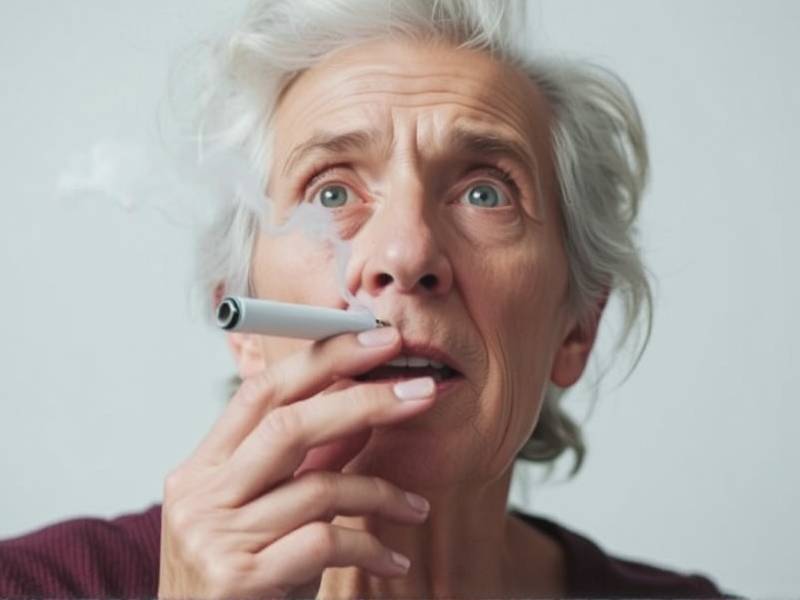
Section 2: The Benefits of Quitting Smoking Research indicates that quitting smoking can have numerous health benefits that may contribute to a slower aging process. Some of these benefits include:
- Improved cardiovascular health: Smoking damages blood vessels and increases the risk of heart disease. By quitting, you can improve your heart's function and reduce the risk of heart attacks.
- Reduced inflammation: Chronic inflammation is a key factor in aging. Quitting smoking helps reduce inflammation throughout the body.
- Enhanced skin health: Smoking accelerates skin aging by damaging collagen and elastin fibers. Quitting can lead to improved skin elasticity and reduced wrinkles.
- Better cognitive function: Smoking has been associated with cognitive decline and an increased risk of dementia. Quitting can help preserve brain health.
Section 3: Long-term Effects of Quitting Smoking While quitting smoking may not reverse all signs of aging overnight, it can significantly slow down the process over time. Here are some long-term effects of quitting smoking:
- Increased life expectancy: Studies have shown that smokers who quit before reaching middle age can gain an additional 10 years or more of life expectancy.
- Reduced risk of chronic diseases: By quitting smoking, you lower your chances of developing various chronic diseases that contribute to aging.
- Improved quality of life: A smoke-free lifestyle allows individuals to enjoy better physical and mental health, which enhances their overall quality of life.
Conclusion: In conclusion, quitting smoking is a powerful step towards reversing some aspects of aging. While it may not eliminate all signs of aging entirely, it offers numerous health benefits that contribute to a slower aging process. If you're considering quitting smoking or have already quit, remember that every day without a cigarette brings you one step closer to a healthier, younger-looking future.
Note: This article is for informational purposes only and does not constitute medical advice. Always consult with your healthcare provider for personalized advice regarding your health concerns.