
What Really Helps with Shortness of Breath After Quitting Smoking?
Overcoming Shortness of Breath: Strategies for Smokers Post-Quitting
Introduction: Quitting smoking is a significant step towards a healthier life, but it's not uncommon to experience challenges after kicking the habit. One of the most common concerns is shortness of breath, which can be unsettling and discouraging. This article delves into what really helps with shortness of breath after quitting smoking, offering practical tips and insights to make the transition smoother.
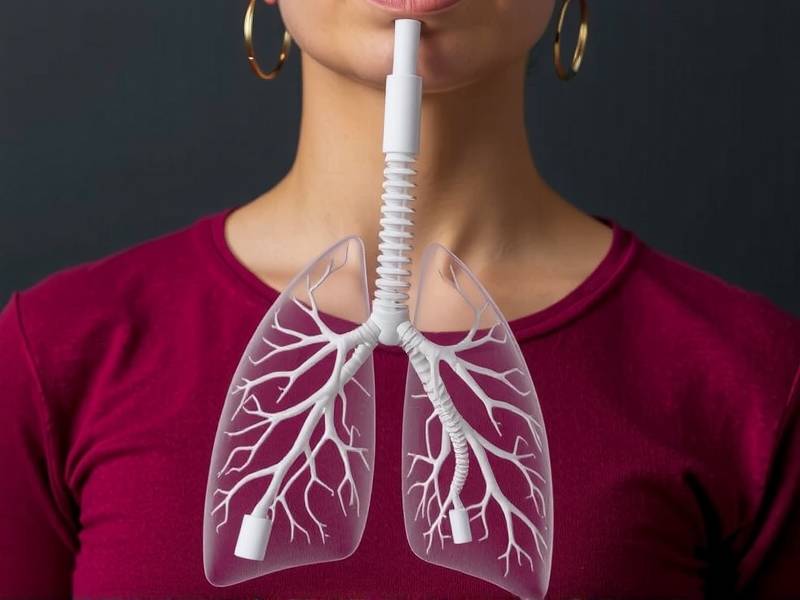
Understanding the Connection
1. The Impact of Smoking on Breathing Smoking damages the lungs and airways over time, leading to reduced lung capacity and function. When you quit, your body starts to heal, but it may take some time for your breathing to improve.

2. The Role of Nicotine Withdrawal Nicotine withdrawal can also cause shortness of breath as it affects the respiratory system's ability to function properly.
Effective Strategies for Managing Shortness of Breath
3. Increase Physical Activity Gradually Physical activity is crucial for improving lung function. Start with low-intensity exercises like walking or swimming and gradually increase the intensity as your fitness improves.
4. Practice Breathing Exercises Breathing exercises can help strengthen your respiratory muscles and improve lung capacity. Techniques such as diaphragmatic breathing are particularly beneficial.
5. Maintain Proper Hydration Drinking plenty of water helps keep mucus thin and reduces respiratory discomfort.
6. Manage Stress Levels Stress can exacerbate shortness of breath. Techniques like meditation, deep breathing exercises, or yoga can help manage stress levels.
Lifestyle Adjustments
7. Avoid Exposure to Pollutants and Allergens Environmental factors like dust, pollen, or smoke from cooking can worsen shortness of breath. Minimize exposure by keeping your living space clean and using air purifiers if necessary.
8. Eat a Balanced Diet A diet rich in fruits, vegetables, lean proteins, and whole grains can provide essential nutrients that support lung health.
Seek Professional Help
9. Consult with Healthcare Providers If shortness of breath persists or worsens despite lifestyle changes, it's important to consult with healthcare providers who can offer personalized advice or refer you to specialists if needed.
Conclusion: Quitting smoking is a journey that requires patience and perseverance. While dealing with shortness of breath post-quitting might be challenging at times, implementing these strategies can significantly improve your breathing and overall well-being. Remember that every step towards a smoke-free life is a step towards better health!