
Does Your Chest Hurt When You Quit Smoking? The Truth About Lung Health After Quitting Tobacco
Understanding the Chest Pain After Quitting Smoking
Quitting smoking is a significant step towards improving one's health, but it's not uncommon to experience discomfort, including chest pain, during the process. This article delves into the reasons behind this common symptom and explores how lung health improves after quitting tobacco.
The Link Between Smoking and Chest Pain
Why Does Smoking Cause Chest Pain?
Smoking can lead to chest pain due to several factors. One of the primary reasons is the constriction of blood vessels in the lungs, which reduces oxygen flow. This condition can cause chest tightness or pain, especially during physical activity or when exposed to cold air.
How Does Smoking Affect Lung Health?
Long-term smoking can lead to chronic obstructive pulmonary disease (COPD), a progressive lung disease that makes breathing difficult. It also increases the risk of lung cancer and other respiratory issues.
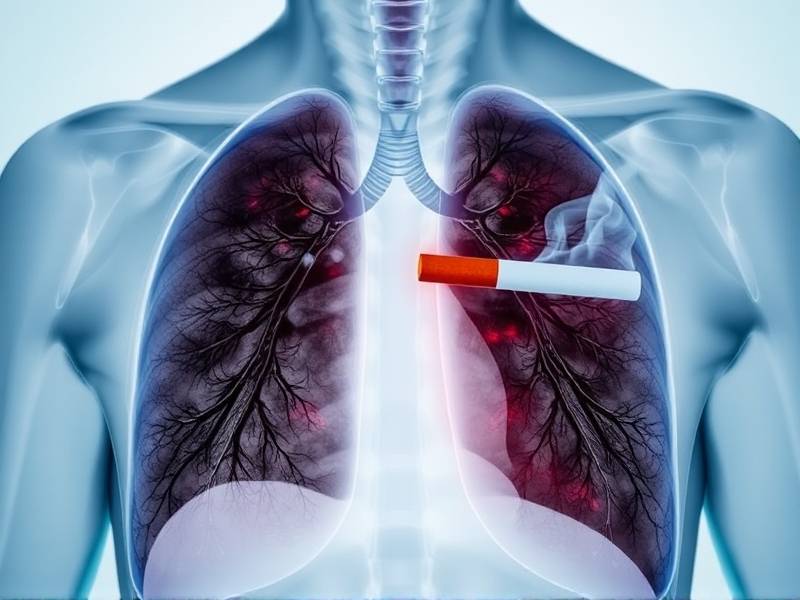
Chest Pain After Quitting Smoking: What's Happening?
Post-Quitting Symptoms
When you quit smoking, your body begins to heal from years of exposure to harmful chemicals. This healing process can sometimes manifest as chest pain or discomfort. Here are some common reasons for this symptom:
- Coughing: As your lungs clear out tar and mucus from years of smoking, you may experience a persistent cough.
- Inflammation: The inflammation caused by smoking can take time to subside after quitting.
- Relearning Breathing: Your body needs time to adjust to healthier breathing patterns without tobacco smoke.
Is Chest Pain a Sign of Something Serious?
While chest pain after quitting smoking is usually not a cause for concern, it's important to rule out other potential causes. If you experience severe pain or difficulty breathing, seek medical attention immediately.
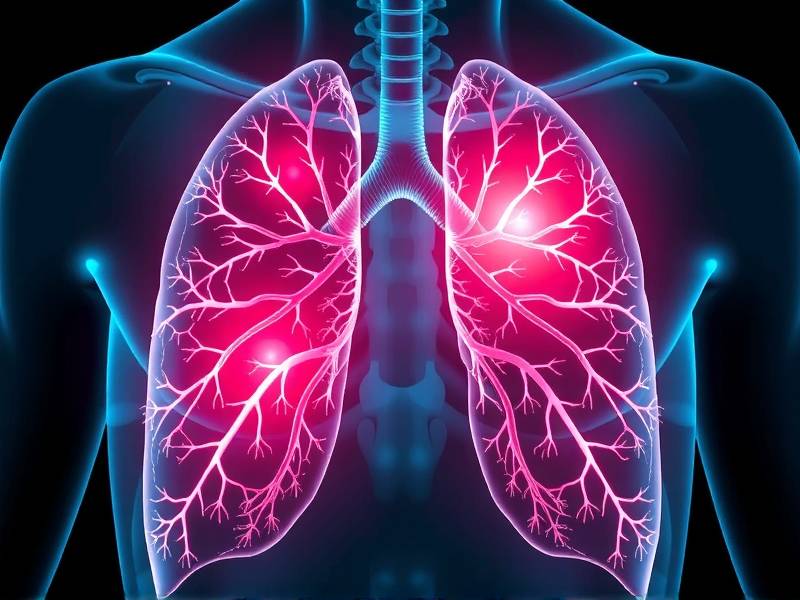
Improving Lung Health After Quitting Tobacco
Immediate Benefits
Within 48 hours of quitting smoking, your body starts to repair itself. Your heart rate and blood pressure begin to drop, reducing the risk of heart disease and stroke.
Long-Term Benefits
Over time, your lungs will continue to improve:
- One Year: Your risk of coronary heart disease decreases significantly.
- Five Years: Your risk of stroke is reduced by half.
- Ten Years: Your risk of lung cancer drops significantly compared to that of current smokers.
Tips for Managing Chest Pain After Quitting Smoking
Here are some tips for managing chest pain while quitting smoking:
- Stay Hydrated: Drinking plenty of water helps clear mucus from your lungs.
- Exercise Regularly: Gentle exercise can improve lung function and reduce stress.
- Seek Support: Joining a support group or seeking counseling can provide emotional support during your journey.
Conclusion
While chest pain after quitting smoking may be unsettling, it's often a sign that your body is healing from years of tobacco exposure. By focusing on improving lung health through lifestyle changes and seeking support when needed, you can overcome this temporary discomfort and enjoy the long-term benefits of living smoke-free.
Remember, every step towards quitting is progress – embrace it and keep moving forward!