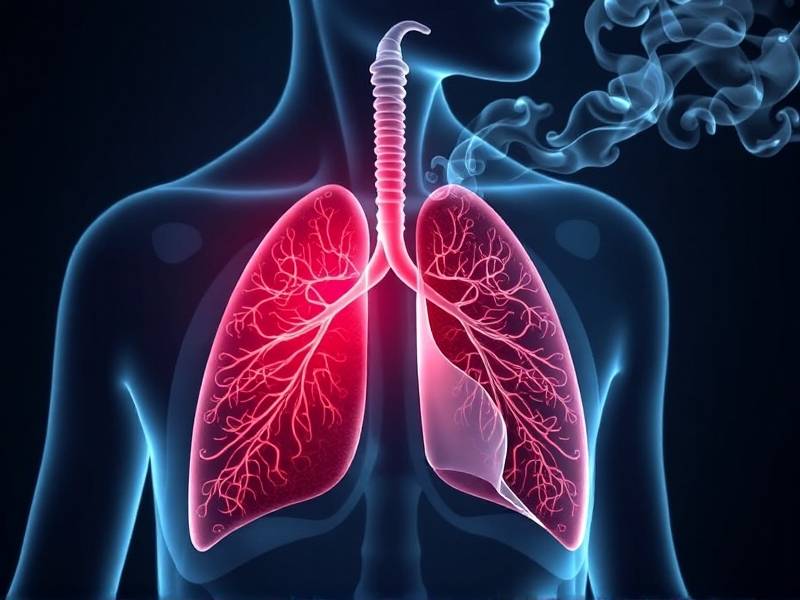
Does Tar Stay in Lungs After Quitting Smoking?
The Long-Term Impact of Tar on Lungs After Smoking Cessation: What You Need to Know
Introduction: Smoking is a well-known health hazard, and the effects of tar, one of the most harmful substances in cigarettes, are widely recognized. Many smokers who have quit smoking often wonder if the tar they inhaled stays in their lungs for a long time after they stop. This article aims to provide you with an insightful look into this concern and shed light on the long-term effects of tar on the lungs.
What is Tar? Tar is a sticky, dark substance that forms when tobacco burns. It contains numerous harmful chemicals and is responsible for causing various diseases, including lung cancer, chronic obstructive pulmonary disease (COPD), and emphysema.
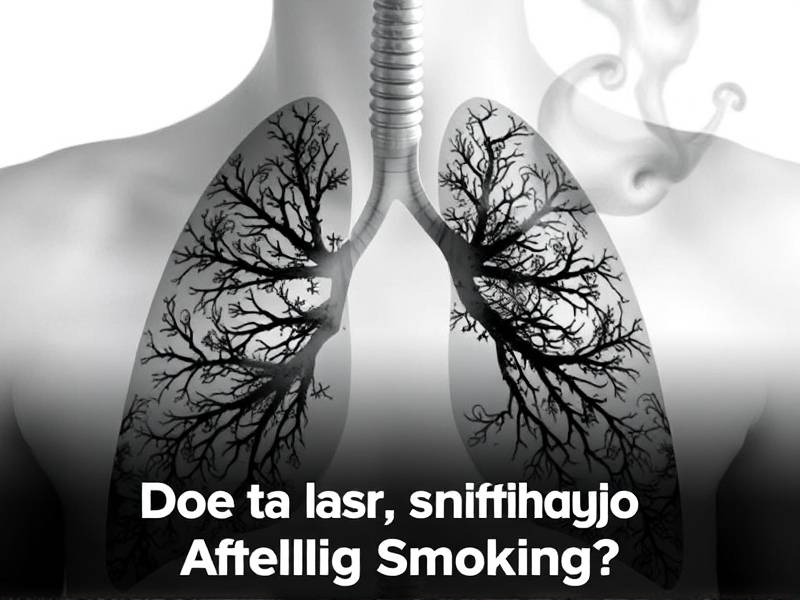
How Tar Affects Lungs: When you smoke, tar accumulates in your lungs. This accumulation can lead to inflammation and damage to lung tissue over time. The extent of this damage depends on several factors, including the duration and intensity of smoking.
Does Tar Stay in Lungs After Quitting Smoking? Research suggests that while some tar may remain in your lungs for an extended period after quitting smoking, it gradually diminishes as your body heals itself. Here's what you need to know:
-
Tar Elimination Process: Your body starts eliminating tar through coughing up mucus containing tar particles. This process can take weeks or even months for some individuals.
-
Improved Lung Function: As you quit smoking, your lung function begins to improve gradually. According to the American Lung Association, within 48 hours of quitting, your blood pressure drops; within 2-12 weeks, your lung function improves significantly; and within 1-9 months, shortness of breath decreases.
-
Long-term Effects: The extent of long-term damage caused by tar depends on how long you smoked and how much you smoked daily. However, quitting smoking can significantly reduce your risk of developing chronic lung diseases like COPD and lung cancer.
-
Regular Check-ups: It's essential for former smokers to undergo regular check-ups with their healthcare providers to monitor their lung health and detect any potential issues early.
Conclusion: In conclusion, while some tar may stay in your lungs after quitting smoking, it doesn't mean that quitting won't have any positive effects on your health. By giving up cigarettes, you're taking an important step towards improving your overall well-being and reducing your risk of developing serious lung diseases. So if you're considering quitting smoking or have recently quit, remember that every day without a cigarette brings you one step closer to healthier lungs!