
Will My Lung Capacity Increase After Quitting Smoking?
The Remarkable Recovery of Lung Capacity Post-Quitting Smoking
Introduction: The decision to quit smoking is one of the most significant steps one can take for their health. While the benefits of quitting are numerous, many smokers often wonder if their lung capacity will ever return to normal. This article delves into the topic, offering insights into how lung function can improve after quitting smoking.
Understanding Lung Capacity
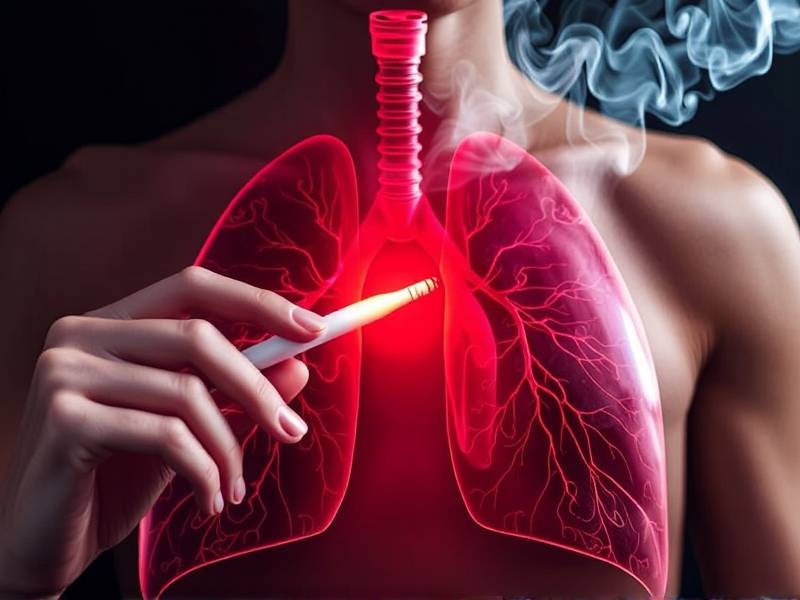
What is Lung Capacity? Lung capacity refers to the maximum volume of air your lungs can hold. It is a measure that can vary from person to person and is influenced by factors like age, sex, and physical fitness.
How Smoking Impacts Lung Capacity: Smoking not only increases the risk of lung diseases but also affects lung capacity. The inhalation of harmful chemicals and tar leads to inflammation, scarring, and damage to the delicate tissues within the lungs.
Recovery After Quitting Smoking
The Gradual Improvement: It's a common misconception that lung capacity returns to normal immediately after quitting smoking. In reality, it takes time for the lungs to heal and regain their capacity.
The First Year: Within the first year after quitting smoking, there is a noticeable improvement in lung function. According to research from the American Lung Association, former smokers can expect an improvement in their forced expiratory volume (FEV1) by as much as 10% compared to when they were smoking.
Long-Term Benefits: Over time, continued abstinence from smoking can lead to further improvements in lung capacity. In some cases, former smokers may see their FEV1 increase by as much as 15-30% over several years.
Factors Influencing Recovery
Genetic Factors: While genetics play a role in how quickly someone's lungs recover after quitting smoking, it's important to remember that even those with a genetic predisposition towards respiratory issues can significantly improve their lung function by ceasing tobacco use.
Age and Health Status: Younger individuals tend to recover faster than older ones due to differences in lung elasticity and healing capabilities. Additionally, those who are already healthy before quitting have a better chance of regaining lost lung capacity.
Maintaining Healthy Lungs
Regular Exercise: Regular physical activity helps improve overall respiratory health and can aid in maintaining increased lung capacity post-quit.
Avoiding Secondhand Smoke: Remaining smoke-free not only prevents further damage but also reduces exposure to secondhand smoke, which has been linked with reduced lung function.
Conclusion:
Quitting smoking is a transformative decision that brings about substantial improvements in overall health. While full recovery may take time, understanding that your lung capacity has the potential to increase offers motivation for those contemplating making this life-changing choice. Remember that every puff you avoid contributes towards healthier lungs for tomorrow.