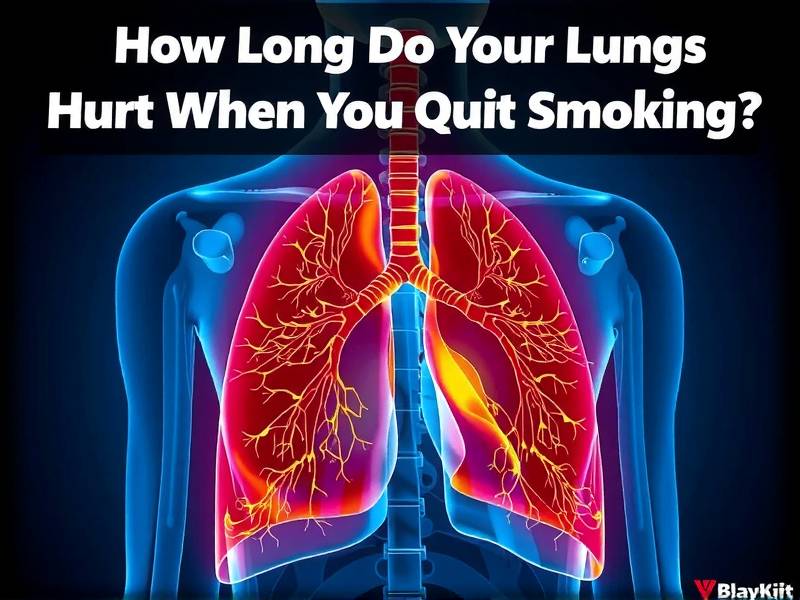
How Long Do Your Lungs Hurt When You Quit Smoking?
"The Journey of Healing: Understanding Lung Recovery After Quitting Smoking"
Introduction: Quitting smoking is a significant step towards better health, but it's not without its challenges. One common concern among smokers looking to quit is the duration and nature of lung discomfort post-cessation. This article delves into how long your lungs may hurt after you quit smoking, offering insights and advice to help you navigate this phase of your journey.
Understanding Lung Discomfort Post-Quitting Smoking
-
Immediate Relief Immediately after quitting, many individuals experience a sense of relief as their lungs begin to clear out the tar and carbon monoxide that have accumulated over time. While this may not be painful, it can be quite uncomfortable as the body adjusts to cleaner air.
-
Short-Term Pain The first few weeks after quitting can be particularly challenging. Your lungs may feel sore or tight due to inflammation and the healing process. This discomfort usually peaks within the first few days or weeks and then gradually diminishes.
-
Long-Term Recovery It's important to note that while the immediate pain subsides relatively quickly, lung recovery is a gradual process that can take months or even years. Here are some key points:
- Coughing: Expect to cough more frequently as your body clears mucus from the lungs.
- Breathing: Some individuals may experience shortness of breath or wheezing as their lungs adjust.
- Inflammation: Inflammation can persist for several months, leading to occasional discomfort.
Factors Influencing Recovery Time
Several factors can influence how long your lungs might hurt after quitting smoking:
- Duration of Smoking: The longer you've smoked, the more damage has been done to your lungs, which can result in a longer recovery period.
- Amount of Cigarettes Smoked Daily: Smokers who smoked heavily may experience more severe discomfort during their recovery.
- Genetic Factors: Your body's ability to heal can vary based on genetic makeup.
- Environmental Factors: Exposure to pollution or allergens can exacerbate lung discomfort.
Tips for Managing Lung Discomfort
- Stay Hydrated: Drinking plenty of water helps thin mucus in the lungs, making it easier to cough up and clear out.
- Practice Deep Breathing Exercises: These exercises can improve lung function and reduce discomfort.
- Consider Pulmonary Rehabilitation: Programs designed for former smokers can help with recovery and provide support throughout the process.
Conclusion:
The journey of healing your lungs after quitting smoking is unique for each individual. While it's natural to feel concerned about potential discomfort, understanding what to expect and taking proactive steps towards recovery can make this phase more manageable. Remember that every puff you don't take brings you one step closer to healthier lungs and a better quality of life.