
How Fast Do Your Lungs Recover When You Quit Smoking?
The Swift Recovery of Your Lungs: A Journey Post-Quit Smoking
Introduction: Quitting smoking is a significant step towards a healthier life. Many individuals are curious about the rate at which their lungs can recover after they quit. This article delves into the topic, offering insights into how quickly your lungs can bounce back and providing tips for maintaining lung health.
Understanding Lung Recovery
-
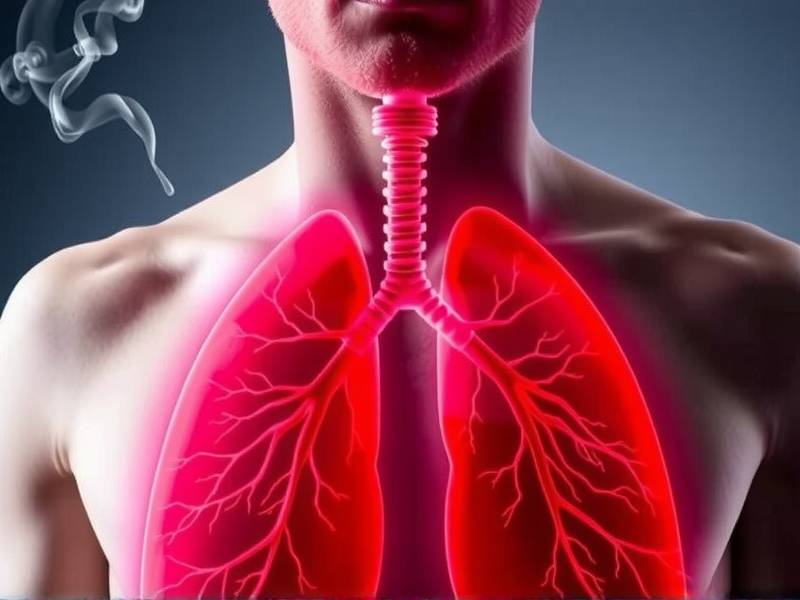
The Damage Done by Smoking Smoking damages the delicate tissues in your lungs, leading to inflammation and impaired function. Over time, this damage can progress to chronic respiratory diseases like COPD (Chronic Obstructive Pulmonary Disease).
-
The Healing Process When you quit smoking, your lungs begin to heal almost immediately. The process is gradual and varies from person to person, but there are clear signs of improvement.
Timeline of Lung Recovery
-
Days 1-2: The initial withdrawal symptoms may be intense, but your body starts producing more antioxidants that help protect your lungs from further damage.
-
Weeks 1-3: Breathing becomes easier as your lung capacity increases slightly. Cilia (the tiny hair-like structures in your airways) start to regenerate, helping to clear mucus and bacteria from your lungs.
-
Months 6-9: Your lung function continues to improve significantly during this period. You may notice that you have more energy and are less short of breath during physical activities.
-
Years 5-10: After several years of quitting, the risk of heart disease decreases significantly, and the risk of stroke drops by half compared to continuing smokers.
-
Beyond 10 Years: Your risk for lung cancer begins to decline and approaches that of a non-smoker after around 10 years.
Tips for Maintaining Lung Health
- Stay Active: Regular exercise helps improve lung capacity and overall fitness.
- Avoid Secondhand Smoke: Secondhand smoke can delay recovery and increase the risk of developing lung diseases.
- Eat a Healthy Diet: A balanced diet rich in fruits, vegetables, whole grains, lean proteins, and healthy fats supports lung health.
- Stay Hydrated: Drinking plenty of water helps maintain healthy mucous membranes in your respiratory tract.
- Consider Pulmonary Rehabilitation: This program can help you improve breathing techniques and increase lung capacity.
Conclusion: The journey towards healthier lungs post-quitting smoking is one worth embarking on. While it's a gradual process, it's encouraging to know that with time, your lungs can recover significantly. By adopting healthy habits and being mindful of potential risks, you can continue on this path toward better respiratory health.
Note: It's essential to consult with healthcare professionals for personalized advice regarding quitting smoking and maintaining lung health.