
Is It Normal to Cough and Wheeze After Quitting Smoking?
Understanding the Post-Quitting Smoking Cough and Wheeze: Is It Normal?
Introduction: Quitting smoking is a significant decision that brings about numerous health benefits. However, many individuals experience various symptoms during the quitting process, including coughing and wheezing. This article aims to explore whether it is normal to cough and wheeze after quitting smoking and provide insights into managing these symptoms effectively.
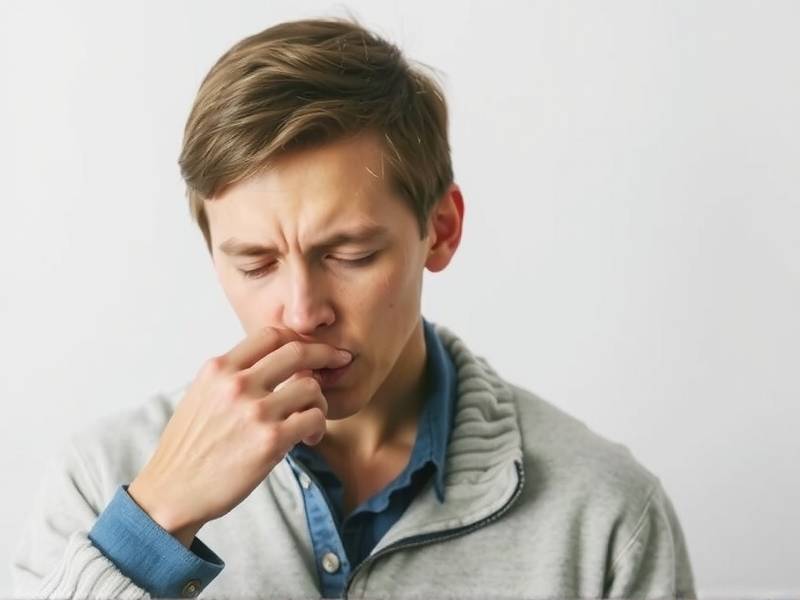
Section 1: Why Do People Cough and Wheeze After Quitting Smoking?

Subsection 1.1: The Role of Nicotine Withdrawal When individuals quit smoking, their bodies undergo nicotine withdrawal. Nicotine is a stimulant that affects the respiratory system, causing increased mucus production. As the body adjusts to the absence of nicotine, it may trigger coughing and wheezing as it clears out accumulated mucus.
Subsection 1.2: Residual Effects of Smoking Even after quitting smoking, the respiratory system may still experience residual effects. Tar and other harmful substances from cigarettes can linger in the lungs for an extended period, leading to inflammation and irritation, which can cause coughing and wheezing.
Section 2: Is It Normal to Cough and Wheeze After Quitting Smoking?
Subsection 2.1: Temporary Symptoms Coughing and wheezing after quitting smoking are generally considered temporary symptoms. They often diminish over time as the body heals itself from years of smoking damage.
Subsection 2.2: Gradual Improvement It is essential to understand that the improvement in coughing and wheezing symptoms may not occur immediately but gradually over several weeks or months. Patience and continued efforts in maintaining a smoke-free lifestyle are crucial during this period.
Section 3: Managing Coughing and Wheezing After Quitting Smoking
Subsection 3.1: Hydration Drinking plenty of water can help thin out mucus in the respiratory system, making it easier to expel through coughing.
Subsection 3.2: Steam Inhalation Inhaling steam can help relax the airways, reducing inflammation and easing coughing and wheezing symptoms.
Subsection 3.3: Avoid Triggers Identifying triggers such as allergens or irritants can help minimize coughing and wheezing episodes by avoiding exposure to them.
Conclusion: Coughing and wheezing after quitting smoking are common symptoms experienced by many individuals during their journey towards a smoke-free life. Understanding their causes, recognizing that they are temporary, and implementing effective management strategies can help alleviate these symptoms successfully. Remember, patience is key as your body gradually heals from years of smoking damage.