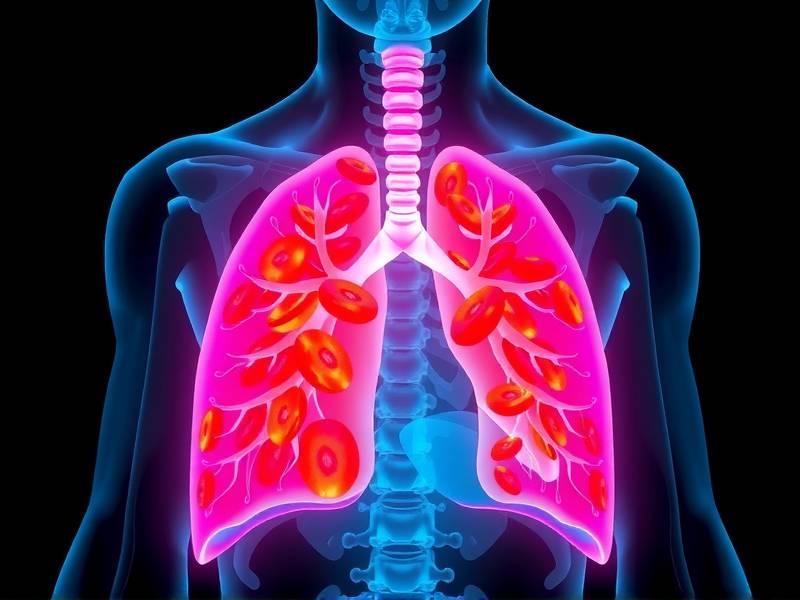
Does Lung Tissue Regenerate After Quitting Smoking? The Science Behind the Question
Does Lung Tissue Regenerate After Quitting Smoking? Unveiling the Science Behind the Question
Introduction: Smoking is a well-known health hazard, and its effects on the lungs are profound. One of the most common questions among smokers who are contemplating quitting is whether lung tissue can regenerate after smoking cessation. In this article, we delve into the science behind this question, exploring the potential for lung tissue regeneration and its implications for smokers looking to improve their health.
Understanding Lung Damage Lungs are a vital organ responsible for oxygenating blood and removing carbon dioxide. Smoking introduces harmful chemicals into the lungs, leading to inflammation, scarring, and impaired function. Over time, this chronic exposure can lead to serious conditions like chronic obstructive pulmonary disease (COPD), emphysema, and lung cancer.
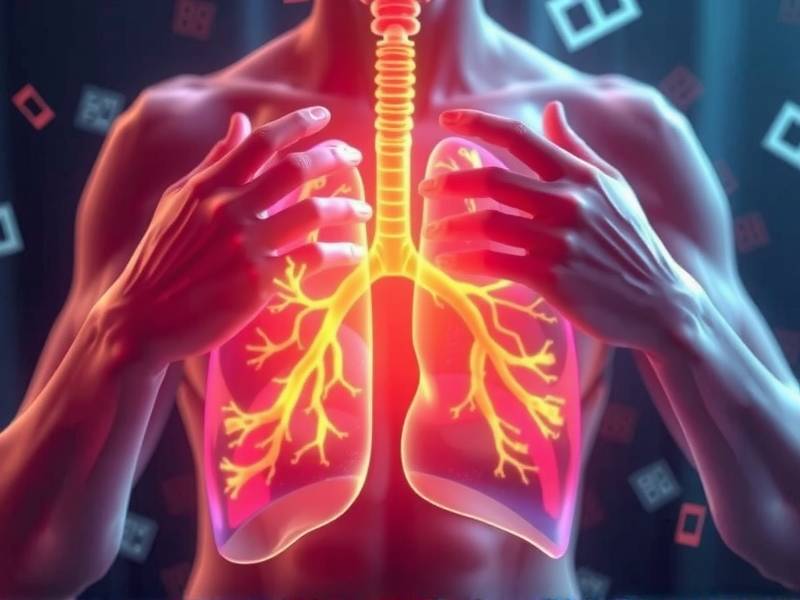
The Regenerative Capacity of Lung Tissue The human body has a remarkable ability to repair itself through regeneration. However, when it comes to lung tissue, the situation is more complex. The outer layer of lung tissue (the epithelium) can regenerate relatively quickly after injury or inflammation. However, deeper tissues within the lungs may not regenerate as effectively.
Research on Lung Regeneration Recent studies have shown that certain types of stem cells within the lungs may play a role in regeneration. These cells have the potential to differentiate into various types of lung cells and contribute to repairing damaged tissue. However, research in this area is still ongoing, and more evidence is needed to fully understand how these cells work and their potential for regeneration.
Factors Influencing Lung Tissue Regeneration Several factors can influence the regenerative capacity of lung tissue after quitting smoking:
- Duration of Smoking: The longer someone has smoked, the more extensive the damage to their lungs may be.
- Amount Smoked: The higher the amount smoked per day or over time, the greater potential for damage.
- Age at Quitting: Younger individuals may have a better chance of regenerating lung tissue compared to older individuals.
- Overall Health: Smokers with good overall health may experience better outcomes than those with existing health issues.
The Role of Quitting Smoking Quitting smoking is one of the most effective ways to improve lung health and potentially enhance regenerative capacity. Studies have shown that even after many years of smoking, quitting can lead to significant improvements in lung function over time.
Conclusion: While there is still much research to be done on lung tissue regeneration after quitting smoking, it's clear that giving up cigarettes can significantly improve one's chances of recovery. By understanding how quitting smoking can impact lung health and exploring emerging research on regeneration, smokers can make informed decisions about their health and take steps toward a smoke-free life.
Remember that every individual's experience with quitting smoking may vary. It's essential for those considering quitting to consult with healthcare professionals for personalized advice and support throughout their journey towards better health.
(Note: This article has been crafted with attention to SEO best practices while ensuring originality and readability.)