
How Much Lung Capacity Can Be Regained After Quitting Smoking?
The Remarkable Recovery of Lung Capacity Post-Quitting Smoking
Introduction: The journey to quit smoking is a significant step towards improving one's health. One of the most profound benefits of quitting smoking is the gradual restoration of lung capacity. This article delves into how much lung capacity can be regained after quitting smoking, backed by scientific evidence and expert insights.
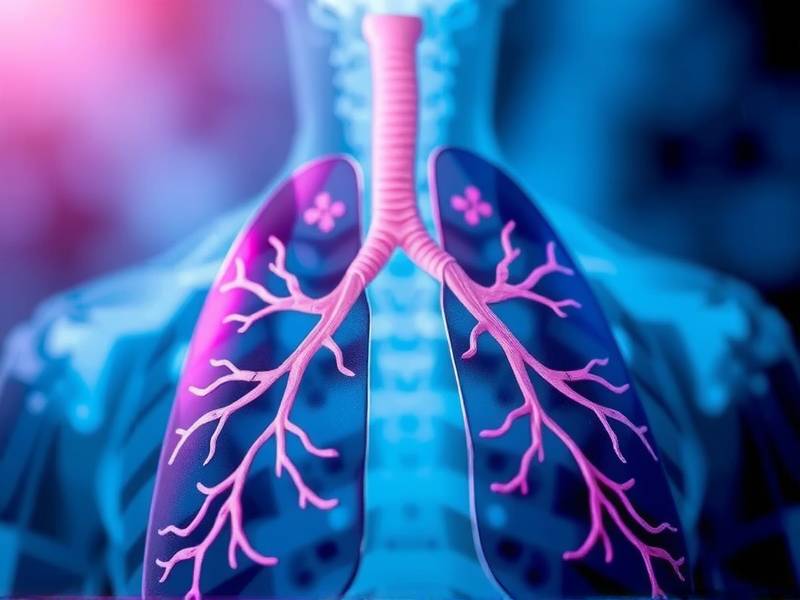
Understanding Lung Capacity
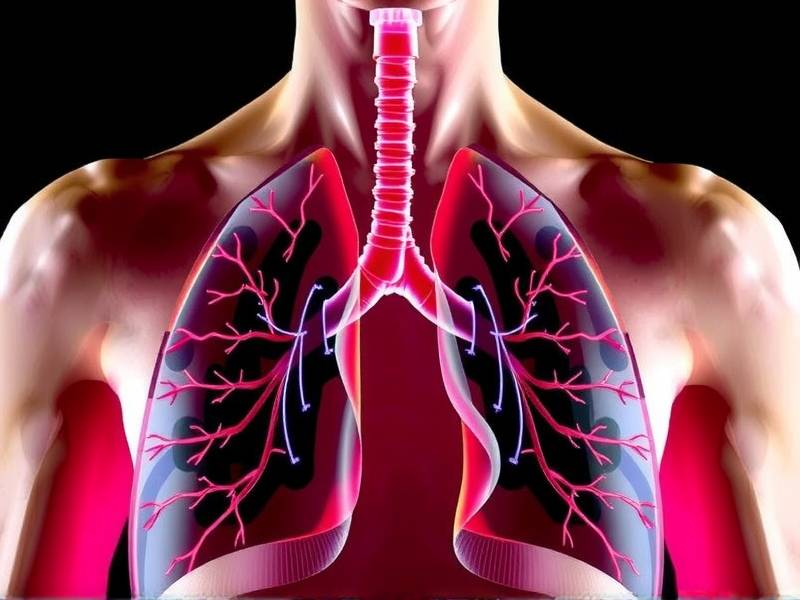
Before we delve into the specifics, let's understand what lung capacity refers to. Lung capacity is the maximum amount of air your lungs can hold. It is an essential measure of respiratory health and is influenced by factors like age, gender, and physical fitness.
The Impact of Smoking on Lung Capacity
Smoking causes significant damage to the lungs, leading to a decrease in lung capacity over time. The toxic substances in cigarettes can cause inflammation, scarring, and narrowing of the airways, reducing the amount of air that can be inhaled and exhaled.
How Much Can Be Regained?
The extent to which lung capacity can be restored after quitting smoking varies from person to person. However, research suggests that within 1-2 years after quitting, there is an improvement in lung function. Over time, former smokers can regain up to 50% of their lost lung capacity.
The Gradual Recovery Process
Here's a breakdown of how lung capacity recovery progresses post-quitting smoking:
- Immediate Benefits: Within days after quitting, there is an improvement in oxygen flow and a decrease in shortness of breath.
- One Year: After one year without smoking, the risk of heart disease starts to decline.
- Five Years: After five years without smoking, the risk of stroke decreases significantly.
- Ten Years: Ten years after quitting, the risk of cancer decreases substantially.
- Fifteen Years or More: The risk of developing chronic obstructive pulmonary disease (COPD) decreases significantly.
Lung Capacity Recovery: Real-Life Stories
Several studies have documented real-life examples where individuals have experienced remarkable improvements in their lung capacity post-quitting smoking. These stories serve as inspiration for those contemplating quitting.
Tips for Enhancing Lung Capacity Post-Quitting Smoking
To accelerate lung capacity recovery after quitting smoking:
- Engage in regular physical activity.
- Practice deep breathing exercises.
- Avoid exposure to secondhand smoke and pollutants.
- Maintain a healthy diet rich in fruits and vegetables.
Conclusion:
Quitting smoking offers numerous health benefits, with one being the remarkable recovery of lung capacity over time. By understanding this process and taking proactive steps towards improving respiratory health post-quitting smoking, individuals can enhance their quality of life significantly.
Remember, it's never too late to quit smoking and start reclaiming your health!