
Can Lungs Regenerate After You Quit Smoking?
Can Lungs Regenerate After You Quit Smoking? A Comprehensive Guide
Introduction: The question of whether lungs can regenerate after quitting smoking is a common concern for many smokers. The good news is that there is evidence to suggest that the lungs can indeed heal and regenerate to some extent after you quit smoking. In this article, we will explore the process of lung regeneration, its implications, and the best practices to support your lungs in their healing journey.
Section 1: Understanding Lung Regeneration 1.1 What happens when you quit smoking? When you quit smoking, your body starts to repair the damage caused by tobacco smoke. The first few weeks after quitting are crucial as your body begins to rid itself of harmful chemicals and toxins.
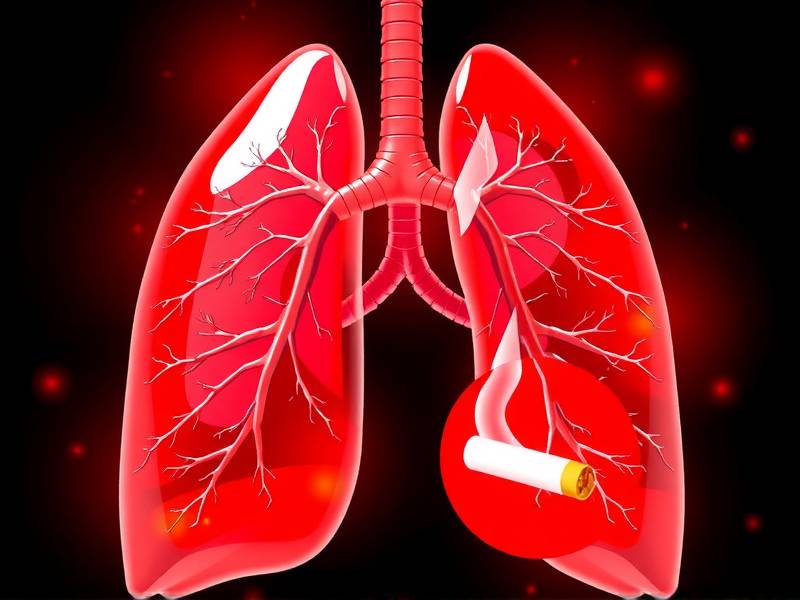
1.2 Can lungs regenerate? Yes, lungs have the ability to regenerate to some extent. However, the rate and extent of regeneration depend on various factors such as age, overall health, and duration of smoking.
Section 2: The Process of Lung Regeneration 2.1 Immediate benefits Within a few days of quitting smoking, your lungs start to clear out mucus and debris accumulated due to smoke exposure. This leads to an improvement in breathing and overall lung function.
2.2 Short-term benefits After about three months of quitting, your lung capacity begins to increase as damaged cilia (hair-like structures in the airways) start regenerating. This results in improved oxygen flow and reduced coughing.
2.3 Long-term benefits After several years of quitting smoking, there is evidence that the risk of developing chronic obstructive pulmonary disease (COPD) decreases significantly. This suggests that lung regeneration can occur over time.
Section 3: Best Practices for Lung Health After Quitting Smoking 3.1 Maintain a healthy lifestyle Adopting a healthy lifestyle can support lung regeneration after quitting smoking. This includes regular exercise, a balanced diet rich in fruits and vegetables, and avoiding exposure to secondhand smoke.
3.2 Quitting strategies Seeking professional help or joining support groups can provide motivation and guidance during your journey to quit smoking permanently.
3.3 Regular check-ups Regular visits to a healthcare provider can help monitor your lung health and detect any potential issues early on.
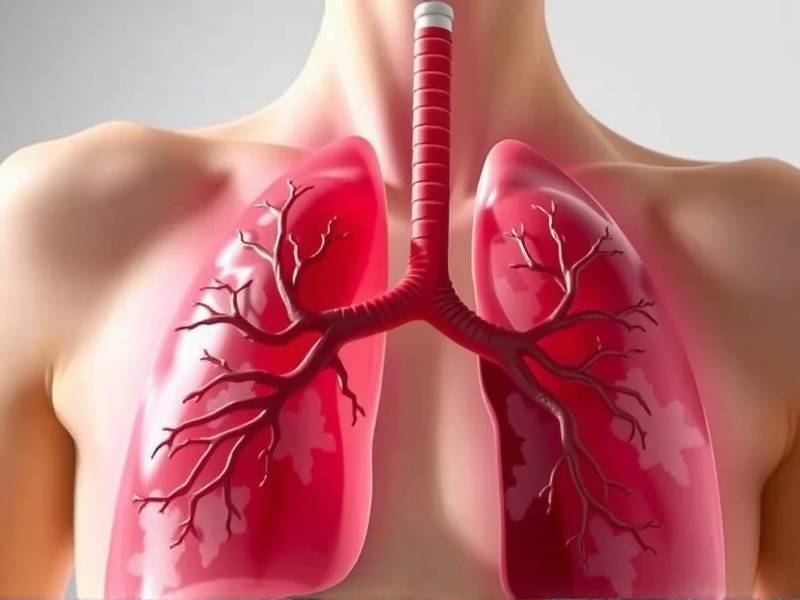
Conclusion: While it may take time for lungs to fully regenerate after quitting smoking, there is hope for improvement in lung function and reduced risk of respiratory diseases. By adopting a healthy lifestyle and seeking support when needed, you can give your lungs the best chance at healing and improving their health over time.