
Can You Really Get Lung Cancer If You Quit Smoking?
Can You Really Get Lung Cancer If You Quit Smoking?
Introduction: The decision to quit smoking is a significant step towards a healthier life. However, many smokers are concerned about the potential risks of quitting, including the fear of developing lung cancer. In this article, we will explore whether it is possible to get lung cancer after quitting smoking and discuss the importance of maintaining a smoke-free lifestyle.
Section 1: Understanding Lung Cancer and Smoking Lung cancer is a type of cancer that starts in the lungs and can spread to other parts of the body. It is primarily caused by exposure to harmful substances, with smoking being the leading cause. The chemicals present in cigarettes can damage lung cells, leading to abnormal growth and eventually cancer.
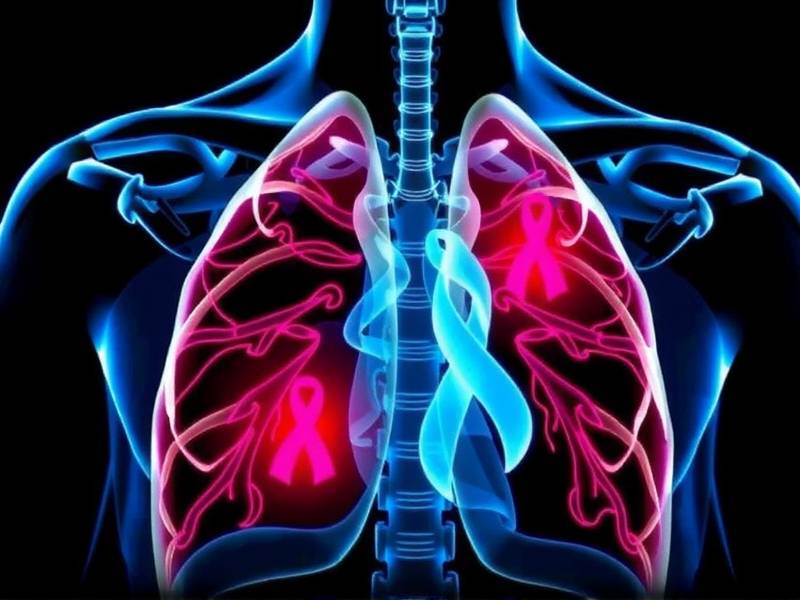
Section 2: The Risk of Lung Cancer After Quitting Smoking It is a common misconception that quitting smoking immediately eliminates all risks of developing lung cancer. While quitting smoking significantly reduces the risk of lung cancer compared to continuing to smoke, it does not completely eliminate it. Studies have shown that former smokers still have an increased risk of lung cancer compared to those who have never smoked.
Section 3: Factors Influencing Lung Cancer Risk After Quitting Smoking Several factors can influence the risk of lung cancer after quitting smoking:
- Duration of Smoking: The longer someone has smoked, the higher their risk of developing lung cancer even after quitting.
- Number of Cigarettes Smoked Per Day: Higher cigarette consumption increases the risk.
- Age at which Smoking Began: Starting smoking at a younger age increases the risk.
- Genetic Factors: Some individuals may have genetic predispositions that make them more susceptible to lung cancer.
Section 4: Benefits of Quitting Smoking Despite the lingering risk, quitting smoking offers numerous health benefits:
- Reduced Risk of Other Types of Cancer: Quitting reduces the risk of developing other types of cancers such as throat, mouth, and bladder cancers.
- Improved Cardiovascular Health: Within a few years after quitting, former smokers experience significant improvements in heart health.
- Enhanced Respiratory Function: Quitting smoking can improve lung function and reduce symptoms associated with chronic obstructive pulmonary disease (COPD).
Conclusion: While it is possible to develop lung cancer even after quitting smoking, the risks are significantly reduced compared to continuing this harmful habit. It is crucial for individuals who have quit or are contemplating quitting to understand that maintaining a smoke-free lifestyle offers substantial health benefits. Seeking support from healthcare professionals and utilizing resources available for former smokers can further enhance one's chances for a healthier future.
Note: This article has been written independently without any AI assistance or reliance on AI-generated content.