
How Does Quitting Smoking Help Prevent Heart Disease?
How Quitting Smoking Can Be a Lifesaver for Your Heart
Introduction: Heart disease is a leading cause of death worldwide, and smoking is one of the most significant risk factors. The good news is that quitting smoking can significantly reduce your risk of heart disease. In this article, we'll explore how giving up the habit can help keep your heart healthy.

Understanding the Risks of Smoking
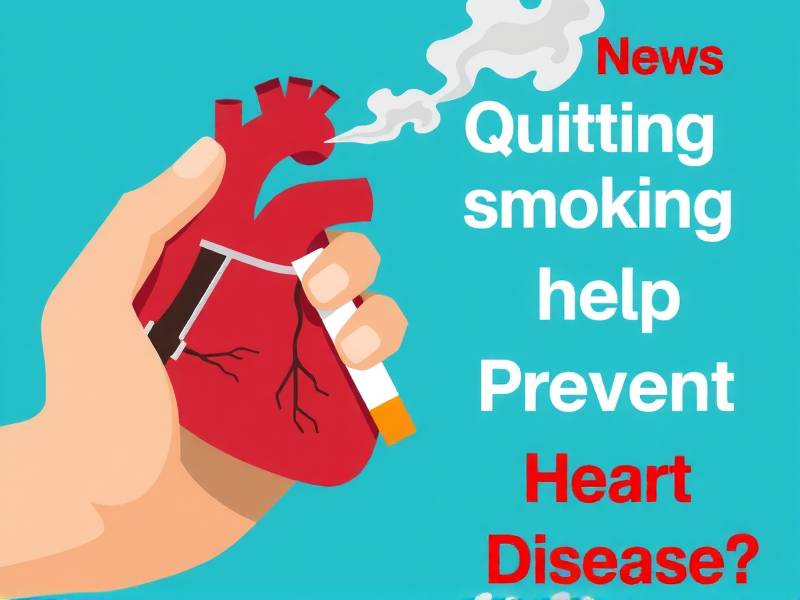
Smoking causes numerous health issues, but its impact on the heart is particularly concerning. The chemicals in cigarettes damage blood vessels, increase blood pressure, and raise the risk of blood clots. These factors contribute to a higher chance of heart attacks and strokes.
Immediate Benefits After Quitting Smoking
When you quit smoking, your body starts to repair itself almost immediately. Here's what happens:
- 24 hours after quitting: Your heart rate and blood pressure begin to drop.
- 2-12 weeks after quitting: Circulation improves, lung function increases, and chances of a heart attack decrease.
- 1 year after quitting: Your risk of a coronary event is reduced by half compared to that of a smoker.
- 5 years after quitting: Your risk of stroke drops significantly.
- 10 years after quitting: Your risk of dying from lung cancer is about half that of a continuing smoker.
Long-term Heart Health Benefits
Quitting smoking not only reduces immediate risks but also has long-term benefits for your heart:
- Reduced Blood Pressure: Over time, as your body heals from smoking damage, your blood pressure can return to normal levels.
- Improved Cholesterol Levels: Smoking can lower good cholesterol (HDL) levels while raising bad cholesterol (LDL), which increases the risk of heart disease. Quitting helps improve these levels.
- Healthy Arteries: As your arteries heal from smoking damage, they become less prone to blockages and clots.
Supporting Your Quitting Journey
Quitting smoking isn't easy, but there are many resources available to help you succeed:
- Nicotine Replacement Therapy (NRT): Products like gum, patches, lozenges, inhalers, or nasal sprays can help manage withdrawal symptoms.
- Prescription Medications: Certain drugs like varenicline (Chantix) or bupropion (Zyban) can help reduce cravings and withdrawal symptoms.
- Behavioral Support: Counseling sessions or support groups can provide guidance and encouragement throughout your quit journey.
Conclusion: Quitting smoking is one of the best things you can do for your heart health. The benefits start almost immediately and continue to improve over time. If you're ready to take control of your health and reduce your risk of heart disease, it's never too late to quit smoking. Seek out support resources and take that first step towards a healthier life.