
Can Quitting Smoking Really Cause Shortness of Breath?
Understanding the Connection
Quitting smoking is a significant step towards improving one's health, but it's not uncommon for individuals to experience unexpected side effects during the process. One such concern is shortness of breath. This article delves into whether quitting smoking can indeed lead to breathing difficulties and what factors might contribute to this phenomenon.
The Immediate Impact of Quitting Smoking
When you quit smoking, your body begins a remarkable journey of healing and recovery. The first few weeks are often characterized by withdrawal symptoms, including an increase in heart rate and blood pressure. This can sometimes be accompanied by a sensation of shortness of breath.
Why Does It Happen?
-
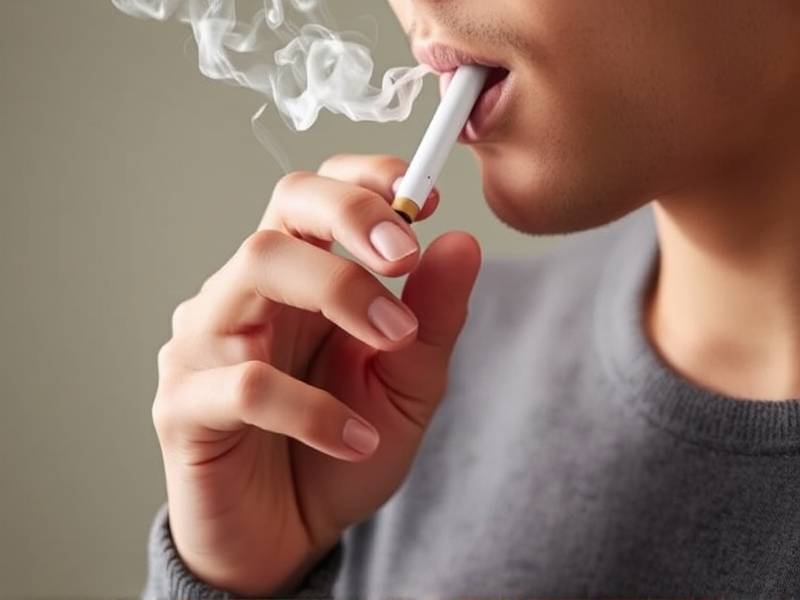
Cilia Restoration: Smokers have fewer functional cilia in their lungs, which are tiny hair-like structures that help clear mucus and debris from the airways. When you quit, these cilia start to regenerate, which can lead to increased mucus production and a feeling of congestion or shortness of breath.
-
Bronchial Constriction: Nicotine causes bronchial constriction, which narrows the airways. As you stop smoking, this constriction may temporarily worsen before it improves as the body adjusts.
-
Oxygen Levels: Your body's oxygen levels may fluctuate as it adapts to being nicotine-free, potentially leading to feelings of breathlessness.
Long-Term Effects
Over time, as your lungs continue to heal from years of smoking damage, most people find that their breathing improves significantly. However, there are some long-term considerations:
Chronic Obstructive Pulmonary Disease (COPD)
For those who have smoked heavily for many years and have developed COPD or other lung conditions, quitting smoking is crucial but may not entirely reverse the damage. In such cases, shortness of breath may persist even after quitting.
Heart Health
Improvements in heart health can also affect breathing. As your heart becomes stronger and more efficient at pumping blood throughout your body, you may notice changes in how you breathe.
Coping with Shortness of Breath
If you experience shortness of breath after quitting smoking:
- Stay Hydrated: Drink plenty of water to help thin mucus and keep your airways clear.
- Exercise Regularly: Gentle exercise can improve lung function and overall fitness.
- Seek Professional Advice: If shortness of breath persists or worsens, consult with a healthcare professional for guidance.
- Breathing Techniques: Learn deep breathing exercises that can help manage symptoms.
Conclusion
While it's true that quitting smoking can cause temporary shortness of breath due to various physiological adjustments in the body, this should not deter individuals from making this life-changing decision. The long-term benefits far outweigh any initial discomforts. Remember, every puff counts – both when you're吸烟和 when you're trying to quit!