
When Does My Brain Start Producing Dopamine Again After Quitting Smoking?
The Journey to Dopamine Recovery: When Does Your Brain Begin to Heal After Quitting Smoking?
Introduction: Quitting smoking is a significant step towards a healthier life. However, the withdrawal symptoms can be challenging, especially the cravings and mood swings. One of the most common questions among smokers is, "When does my brain start producing dopamine again after quitting smoking?" In this article, we will explore the process of dopamine recovery in the brain and answer this intriguing question.
Understanding Dopamine and Smoking: Dopamine is a neurotransmitter that plays a crucial role in the brain's reward system. It is responsible for feelings of pleasure and satisfaction. When you smoke, nicotine stimulates the release of dopamine in your brain, creating a sense of euphoria and relief from stress. Over time, your brain becomes accustomed to this artificial boost of dopamine.
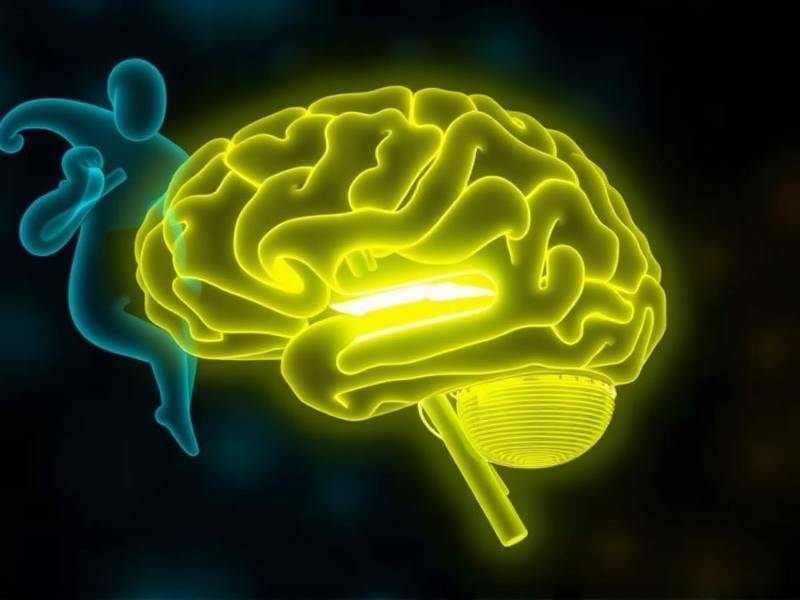
The Process of Dopamine Recovery:

-
Withdrawal Phase: After quitting smoking, you may experience withdrawal symptoms like irritability, anxiety, and cravings. During this phase, your body starts to adjust to lower levels of nicotine. The first few days are critical as your brain tries to restore its natural dopamine production.
-
Short-Term Recovery: Within a few weeks after quitting smoking, your body begins to heal from the damage caused by nicotine. The levels of nicotine in your bloodstream decrease significantly during this period. Your brain starts to produce more dopamine naturally as it adjusts to the absence of nicotine.
-
Long-Term Recovery: The recovery process can vary from person to person. Generally, it takes several months for your brain's dopamine production to stabilize fully after quitting smoking. During this time, you may still experience occasional cravings or mood swings.
Factors Affecting Dopamine Recovery:
-
Individual Differences: The rate at which your brain recovers from nicotine addiction varies depending on factors like age, genetics, and overall health.
-
Nicotine Use History: The longer you smoked and the higher the number of cigarettes you smoked daily can affect the duration and intensity of withdrawal symptoms.
-
Support System: Having a strong support system can significantly impact your recovery journey by providing encouragement and guidance during challenging times.
-
Alternative Coping Strategies: Engaging in healthy activities such as exercise, meditation, or hobbies can help alleviate withdrawal symptoms and promote dopamine production.
Conclusion: Quitting smoking is a transformative decision that requires patience and determination. Understanding the process of dopamine recovery can help you navigate through withdrawal symptoms more effectively. Remember that each individual's journey is unique; it's essential to be patient with yourself as your brain adjusts to life without nicotine.
References:
- National Institute on Drug Abuse (NIDA): https://www.drugabuse.gov/publications/research-reports/tobacco/nicotine-addiction
- American Lung Association: https://www.lung.org/stop-smoking/smoking-facts/quit-smoking/nicotine-addiction.html