
How to Quit Smoking and Clean Up Your Lungs
Introduction: The Urgent Need for Change
Smoking is a global epidemic that affects millions of lives. It not only harms the smoker but also impacts those around them through secondhand smoke. Quitting smoking is a significant step towards improving your health and cleaning up your lungs. In this article, we'll explore effective strategies to help you quit smoking and breathe easier.
Understanding the Impact of Smoking on Your Lungs
The Damage Caused by Tobacco Smoke
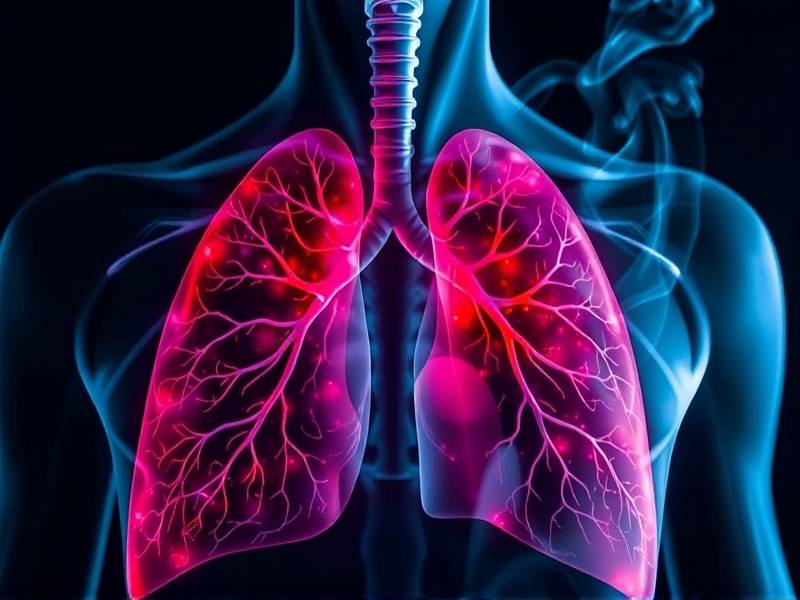
Tobacco smoke contains thousands of harmful chemicals, many of which are known to damage the lungs. Over time, smoking can lead to chronic obstructive pulmonary disease (COPD), emphysema, and lung cancer. By quitting, you can significantly reduce your risk of these conditions.
Early Signs of Lung Damage
Early signs of lung damage include shortness of breath, persistent coughing, and chest tightness. These symptoms may worsen over time if you continue smoking. Recognizing these signs is crucial in motivating you to quit.
Strategies for Quitting Smoking
1. Set a Clear Goal
Before you begin your journey towards quitting smoking, set a clear goal with a specific quit date. This will help you stay focused and committed to the process.
2. Identify Your Triggers
Identifying triggers that make you want to smoke is essential in developing strategies to avoid them. Common triggers include stress, social situations, or even certain smells or tastes.
3. Seek Support from Friends and Family
Quitting smoking can be challenging, so having a strong support network is crucial. Share your goals with friends and family so they can offer encouragement and assistance when needed.
4. Consider Nicotine Replacement Therapy (NRT)
Nicotine replacement therapy can help alleviate withdrawal symptoms by providing small doses of nicotine without the harmful chemicals found in tobacco smoke.
5. Explore Non-Nicotine Medications
For some individuals, non-nicotine medications like bupropion or varenicline may be more effective in managing withdrawal symptoms and reducing cravings.
6. Engage in Regular Physical Activity
Regular exercise can improve lung function and boost your overall well-being while quitting smoking.
Tips for Cleaning Up Your Lungs Post-Quit
Once you've successfully quit smoking, there are several ways to help clean up your lungs:
1. Deep Breathing Exercises
Deep breathing exercises can help expand your lungs and improve oxygen flow throughout your body.
2. Avoid Exposure to Pollutants
Minimize exposure to secondhand smoke, air pollution, and other irritants that can further damage your lungs.
3. Stay Hydrated
Drinking plenty of water helps remove toxins from the body and supports lung health.
Conclusion: A Path to Better Health
Quitting smoking is an essential step towards improving your health and cleaning up your lungs. By implementing effective strategies and seeking support from friends, family, or healthcare professionals, you can increase your chances of success in this life-changing endeavor. Remember that it's never too late to start anew—take control of your health today!