
Is It Normal to Cough Up Blood After Quitting Smoking?
Understanding the Coughing Up Blood Phenomenon Post-Quitting Smoking
Introduction: Quitting smoking is a significant step towards improving one's health, but it's not uncommon to experience unexpected symptoms during the process. One such symptom is coughing up blood, which can be alarming and may raise questions about its normalcy. In this article, we will explore whether it is normal to cough up blood after quitting smoking and provide insights into its causes and management.
What is Coughing Up Blood?
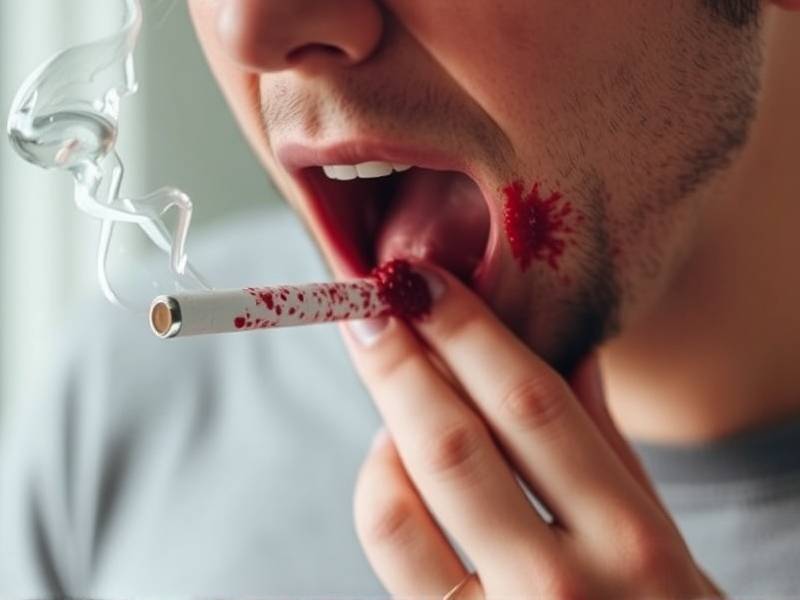
Coughing up blood, also known as hemoptysis, refers to the expulsion of blood through the mouth during coughing. It can be a result of various conditions, including infections, lung diseases, or even smoking-related issues.
Is It Normal to Cough Up Blood After Quitting Smoking?
While coughing up blood after quitting smoking can be concerning, it is not always a sign of a serious condition. Here are some factors that may contribute to this phenomenon:

-
Healing Process: Quitting smoking triggers the healing process in the lungs, which can lead to an increase in mucus production. This mucus may contain blood due to damaged lung tissues or inflammation. As your body heals and repairs itself, this symptom usually subsides.
-
Chest Infections: Smokers are more susceptible to respiratory infections such as bronchitis or pneumonia due to weakened immune systems. Quitting smoking may lead to an increased risk of these infections initially, which can cause coughing up blood.
-
Chronic Obstructive Pulmonary Disease (COPD): COPD is a chronic lung disease that affects smokers significantly. Quitting smoking may exacerbate symptoms temporarily due to the body's adjustment period. This adjustment can result in coughing up blood until the lungs stabilize.
-
Lung Cancer: Although rare, lung cancer is a potential concern for long-term smokers who quit. If you experience persistent coughing with blood after quitting smoking, it is essential to consult a healthcare professional for proper evaluation.
When Should You Seek Medical Attention?
While some cases of coughing up blood after quitting smoking are normal and temporary, there are situations where medical attention is necessary:
- Persistent or Severe Symptoms: If you continue experiencing coughing with blood for an extended period or if it becomes severe.
- Shortness of Breath: If you notice difficulty breathing alongside the cough with blood.
- Chest Pain: If you experience chest pain along with coughing and hemoptysis.
- High Fever: If you have a fever accompanying the symptoms.
Conclusion:
Coughing up blood after quitting smoking can be unsettling but does not necessarily indicate a serious health condition in all cases. Understanding its potential causes and seeking medical attention when necessary will help ensure your well-being during this transitional period towards better health.
Remember that quitting smoking has numerous health benefits beyond just avoiding hemoptysis; it reduces your risk of developing various diseases and improves overall quality of life.
For more information on quitting smoking and its effects on your health, visit reputable sources like [Reputable Website].