
Is There Anyway to Clean Your Lungs After Quitting Smoking?
Revitalizing Your Lungs: A Guide to Lung Cleansing After Smoking Cessation
Introduction: The decision to quit smoking is a monumental step towards a healthier life. However, the journey doesn't end there. Many former smokers wonder how they can restore their lungs after years of exposure to harmful toxins. This article delves into the science behind lung cleansing and offers practical steps to help you breathe easier post-cessation.
Understanding Lung Damage from Smoking
The Effects of Tobacco on the Lungs
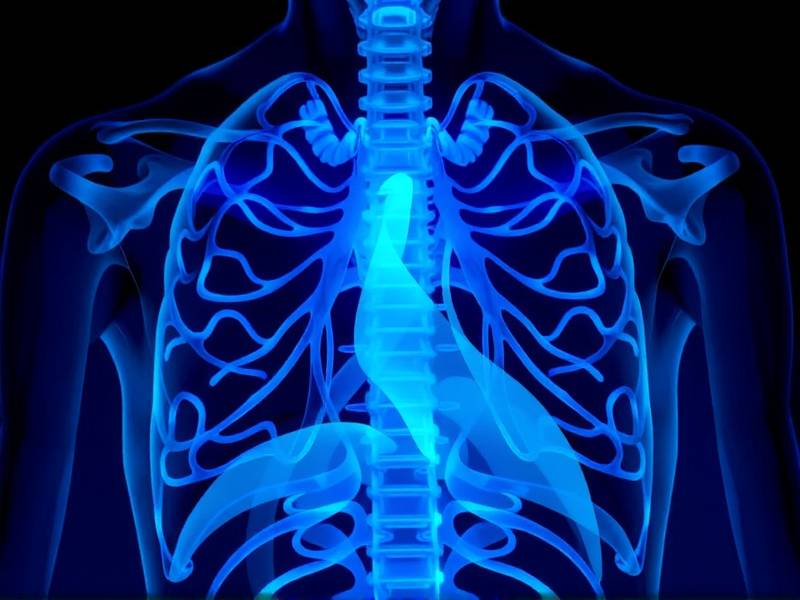
Smoking introduces numerous harmful chemicals into the respiratory system. Over time, these chemicals can lead to inflammation, scarring, and damage to lung tissue. Conditions such as chronic bronchitis and emphysema are common consequences of long-term smoking.
The Healing Process
After quitting, your body begins a natural healing process. While complete reversal of damage is unlikely, significant improvements can be made with time and proper care.
Natural Lung Cleansing Techniques
1. Deep Breathing Exercises
Deep breathing exercises help increase lung capacity and improve oxygen flow throughout the body. Practices like pranayama or diaphragmatic breathing are particularly beneficial.
2. Hydration
Drinking plenty of water helps flush out toxins from the lungs. Aim for at least eight glasses a day to support your body's natural detoxification process.
3. Nutrition
A balanced diet rich in vitamins and antioxidants can aid in lung repair. Foods high in vitamin C, vitamin E, selenium, and omega-3 fatty acids are particularly beneficial.
Lifestyle Changes for Lung Health
1. Avoid Secondhand Smoke
Exposure to secondhand smoke can negate the benefits of quitting smoking by exposing your lungs to additional toxins.
2. Regular Exercise
Physical activity improves cardiovascular health and strengthens respiratory muscles, aiding in better lung function.
3. Avoid Pollutants
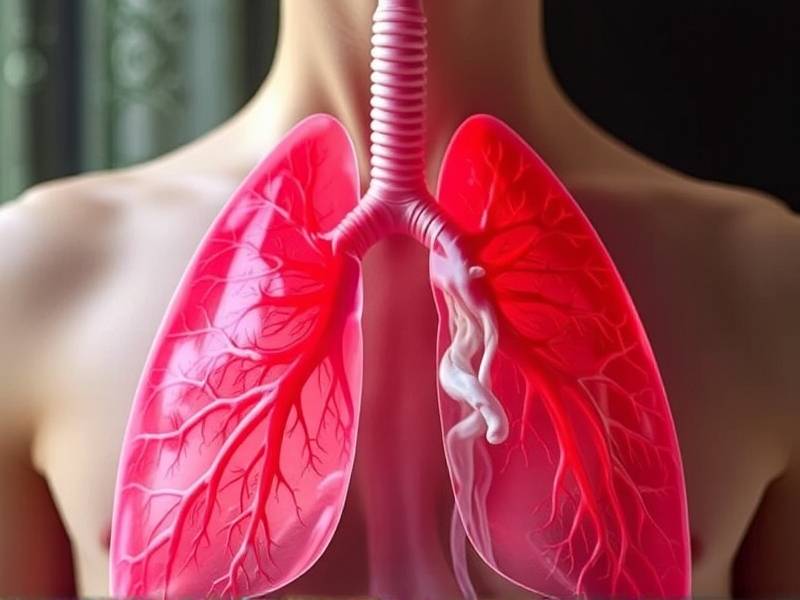
Minimize exposure to air pollutants by staying indoors during smog alerts or choosing clean transportation methods like walking or cycling.
Professional Support
1. Pulmonary Rehabilitation Programs
Participating in pulmonary rehabilitation programs can provide personalized guidance on exercises and lifestyle changes for improved lung health.
2. Consult with Healthcare Providers
Regular check-ups with healthcare professionals can help monitor your lung function and guide you through any concerns or complications that may arise post-cessation.
Conclusion: The road to lung healing after quitting smoking is a gradual process that requires patience and dedication. By incorporating natural cleansing techniques, making healthy lifestyle changes, and seeking professional support when needed, you can significantly improve your lung health over time. Remember, every breath you take is a step towards renewed vitality—a gift you give yourself by breaking free from the chains of tobacco addiction.