
Does Quitting Smoking Really Cause Chest Pains? The Truth You Need to Know
Introduction: Understanding the Concerns
When it comes to quitting smoking, many individuals are often apprehensive about the potential side effects. One of the most common concerns is whether quitting smoking can cause chest pains. This article delves into this question, providing you with the truth you need to know.
What is Chest Pain?
Before we address the relationship between quitting smoking and chest pain, let's first understand what chest pain is. Chest pain can be caused by various factors, including heart problems, lung conditions, and musculoskeletal issues. It's essential to identify the underlying cause of chest pain to determine if it's related to quitting smoking.
Can Quitting Smoking Cause Chest Pains?
While it's true that some individuals may experience chest pain when they quit smoking, it's crucial to understand that this isn't a direct consequence of giving up cigarettes. The reason behind this discomfort lies in nicotine withdrawal.
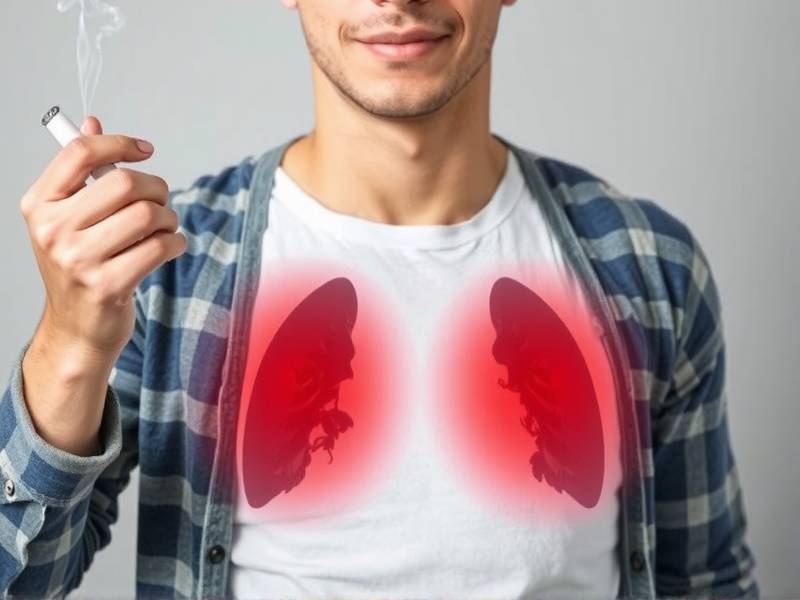
Nicotine is a highly addictive substance found in cigarettes. When you stop smoking, your body goes through a withdrawal process as it adjusts to lower levels of nicotine. This adjustment can trigger various symptoms, including chest pain.
Understanding Nicotine Withdrawal
Nicotine withdrawal is a natural response of your body as it adjusts to reduced nicotine levels after quitting smoking. The symptoms of nicotine withdrawal can vary from person to person but commonly include:
- Intense cravings for cigarettes
- Irritability
- Insomnia
- Increased appetite
- Headaches
- Gastrointestinal issues
While these symptoms are generally manageable and typically last for a few weeks, some individuals may experience more severe symptoms, such as chest pain.
How Can Chest Pain Be Managed?
If you're experiencing chest pain while trying to quit smoking, here are some tips to help manage your discomfort:

- Stay Hydrated: Drinking plenty of water can help alleviate some withdrawal symptoms.
- Stay Active: Regular exercise can reduce stress and improve your overall well-being.
- Seek Support: Joining a support group or speaking with a healthcare professional can provide guidance and encouragement during your quit journey.
- Consider Over-the-Counter Medications: Non-prescription medications like ibuprofen or acetaminophen may help alleviate mild chest pain.
It's important to note that if you experience severe or persistent chest pain while quitting smoking, seek medical attention immediately.
Conclusion: The Importance of Quitting Smoking
While quitting smoking may cause temporary discomfort like chest pain due to nicotine withdrawal, the long-term benefits far outweigh the short-term challenges. By understanding the truth about quit-related symptoms like chest pain and taking steps to manage them effectively, you can increase your chances of successfully overcoming tobacco dependence.
Remember, quitting smoking is a journey worth embarking on for your health and well-being!