
Can Quitting Smoking Really Cause Stomach Problems?
Introduction
Quitting smoking is a significant decision that many individuals make for their health and well-being. However, one concern that often arises is whether quitting smoking can lead to stomach problems. This article aims to explore this topic, shedding light on the potential link between quitting smoking and stomach issues.
Understanding the Stomach Problems Associated with Smoking
Gastroesophageal Reflux Disease (GERD)
One of the most common stomach problems associated with smoking is Gastroesophageal Reflux Disease (GERD). GERD occurs when stomach acid flows back into the esophagus, causing irritation and discomfort. Smoking weakens the lower esophageal sphincter, allowing acid to leak into the esophagus more easily.
Gastritis
Another condition linked to smoking is gastritis, which is inflammation of the stomach lining. Smoking can increase the risk of gastritis by reducing blood flow to the stomach and increasing acid production.

Ulcers
Smoking also increases the risk of developing ulcers in both the stomach and small intestine. Ulcers are open sores that can cause pain, bleeding, and other complications.
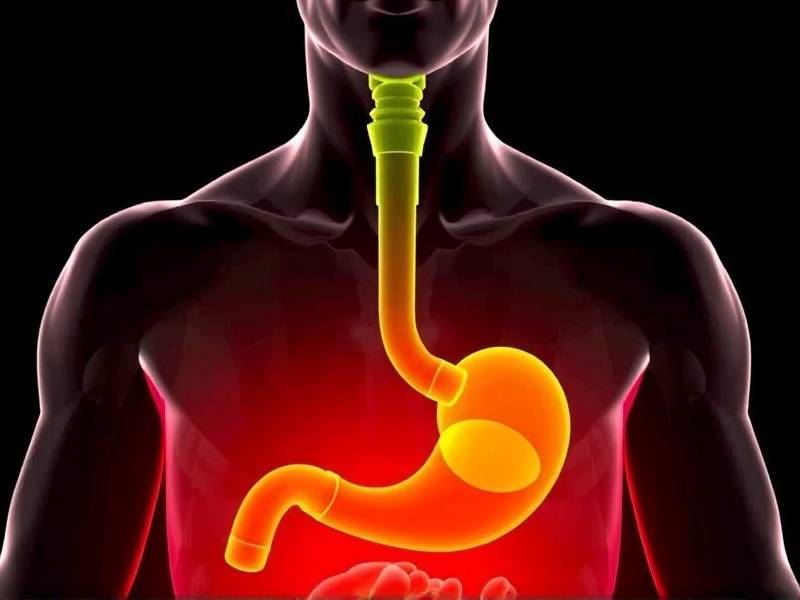
The Impact of Quitting Smoking on Stomach Health
Now that we understand some of the stomach problems associated with smoking, let's explore how quitting smoking might affect these conditions.
Improvements in GERD
Research has shown that quitting smoking can significantly improve symptoms of GERD. By strengthening the lower esophageal sphincter and reducing acid production, former smokers may experience less frequent heartburn and a decrease in other symptoms.
Reduced Risk of Gastritis
Quitting smoking also reduces the risk of developing gastritis. As blood flow to the stomach improves and acid production decreases, former smokers are less likely to experience inflammation or ulcers in their stomach lining.
Lower Risk of Ulcers
Research indicates that former smokers have a lower risk of developing ulcers compared to current smokers. The reduced risk is attributed to improved blood flow and decreased acid production in the gastrointestinal tract.
Conclusion
While it's true that quitting smoking can sometimes lead to temporary stomach discomfort or exacerbate existing conditions like GERD, it's essential to recognize that these issues are usually short-lived. The long-term benefits of quitting smoking far outweigh any temporary discomforts or complications. If you're experiencing stomach problems while trying to quit smoking, it's crucial to consult with a healthcare professional who can provide appropriate guidance and support throughout your journey towards a healthier lifestyle.