Do Lungs Heal When Quitting Smoking?
The Journey to Healing: How Quitting Smoking Benefits Your Lungs
Introduction: The decision to quit smoking is a significant step towards a healthier lifestyle. Many smokers are often curious about the healing process of their lungs once they cease this harmful habit. This article delves into the remarkable transformation that occurs in the lungs as you embark on your journey to quitting smoking.
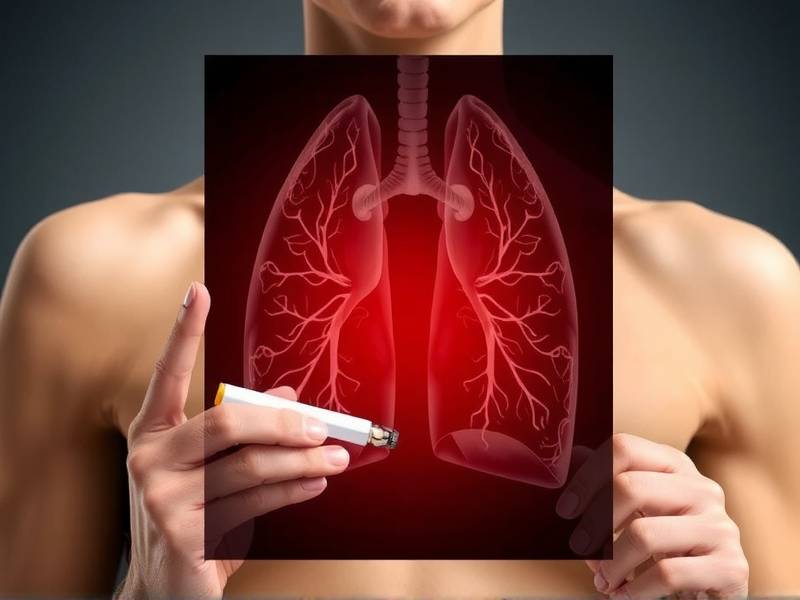
Section 1: Understanding Lung Damage from Smoking Smoking causes severe damage to the respiratory system, primarily affecting the lungs. The harmful chemicals present in tobacco smoke can lead to chronic obstructive pulmonary disease (COPD), emphysema, and lung cancer. It is crucial to recognize the extent of lung damage before understanding how quitting smoking can help heal your lungs.
Section 2: Immediate Benefits of Quitting Smoking Within minutes of quitting smoking, your body begins its healing process. The carbon monoxide levels in your blood start to decrease, allowing more oxygen to reach your tissues and organs. This immediate improvement in oxygen supply can help alleviate symptoms like shortness of breath and fatigue.
Section 3: Long-term Healing Process While immediate benefits are noticeable, the long-term healing process takes time and patience. Here's what happens as you continue to quit smoking:
- Improved Oxygen Supply: Over several weeks, the blood vessels in your lungs begin to repair themselves, allowing for better oxygenation of your body's tissues.
- Reduced Inflammation: Chronic inflammation caused by smoking subsides gradually, leading to improved lung function.
- Decreased Risk of Infections: Quitting smoking strengthens your immune system, reducing the risk of respiratory infections like pneumonia and bronchitis.
- Decreased Risk of Chronic Diseases: With time, the risk of developing COPD, emphysema, and lung cancer decreases significantly.
Section 4: Factors Influencing Lung Healing Several factors can influence how quickly your lungs heal after quitting smoking:
- Duration of Smoking: The longer you have smoked, the more extensive the damage may be. However, even long-term smokers can experience significant improvements after quitting.
- Age and Overall Health: Younger individuals with good overall health tend to recover faster than older individuals or those with pre-existing health conditions.
- Environmental Factors: Exposure to secondhand smoke or air pollution can slow down the healing process.
Conclusion: Quitting smoking is a transformative decision that not only improves overall health but also promotes lung healing. While it may take time for your lungs to fully recover from years of smoking damage, every step towards quitting is a step towards a healthier future. Embrace this journey with determination and support from friends, family, or healthcare professionals as you breathe easier and live better without tobacco烟雾的危害。