
How Does Quitting Smoking Affect COPD? The Impact on Lung Health
How Quitting Smoking Impacts COPD: A Comprehensive Look at Lung Health
Introduction: Chronic Obstructive Pulmonary Disease (COPD) is a prevalent respiratory condition affecting millions worldwide. Smoking is a significant risk factor for COPD, and quitting smoking has been proven to have numerous benefits for lung health. In this article, we will explore how quitting smoking can positively impact individuals with COPD, focusing on the changes in lung function and overall well-being.
-
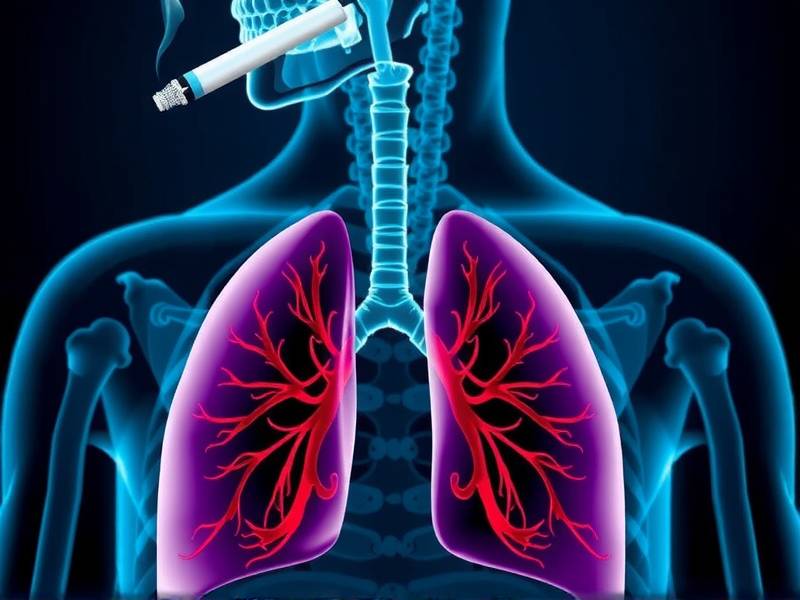
Understanding COPD and Its Connection to Smoking: COPD is characterized by persistent airflow limitation that is not fully reversible. It primarily affects the lungs' airways and air sacs, leading to symptoms like shortness of breath, coughing, and wheezing. Smoking is the leading cause of COPD, accounting for approximately 85-90% of cases.

-
The Immediate Benefits of Quitting Smoking: When individuals with COPD quit smoking, they can experience immediate improvements in their lung health. Within a few hours of quitting, carbon monoxide levels in the blood begin to decrease, allowing for better oxygenation of the body's tissues. Within a few weeks or months, the following benefits can be observed:
- Decreased coughing and phlegm production
- Reduced frequency of respiratory infections
- Improved lung function and capacity
- Enhanced overall quality of life
- Long-term Effects of Quitting Smoking on COPD: The long-term effects of quitting smoking on COPD are even more remarkable. Over time, individuals with COPD who quit smoking can expect:
- Slower progression of the disease: Quitting smoking can help slow down the decline in lung function in individuals with COPD.
- Decreased risk of complications: Quitting smoking reduces the risk of developing serious complications associated with COPD, such as heart disease and respiratory failure.
- Improved exercise tolerance: With time, individuals may notice an increase in their ability to engage in physical activities without experiencing severe shortness of breath.
- Reduced reliance on medications: Quitting smoking may lead to a decrease in the need for certain medications used to manage symptoms or treat complications related to COPD.
- Strategies for Successful Smoking Cessation: Quitting smoking can be challenging for individuals with COPD due to their weakened respiratory system and increased vulnerability to withdrawal symptoms. Here are some strategies that may aid in successful smoking cessation:
- Seek professional support: Consult healthcare providers or join support groups specifically designed for individuals struggling with quitting smoking.
- Utilize nicotine replacement therapy (NRT): NRT products like gum, patches, lozenges, or inhalers can help alleviate withdrawal symptoms.
- Explore alternative therapies: Techniques such as mindfulness meditation or hypnotherapy may provide additional support during the quitting process.
- Set realistic goals: Break down the journey into manageable steps and celebrate small victories along the way.
Conclusion: Quitting smoking has a profound impact on lung health in individuals with Chronic Obstructive Pulmonary Disease (COPD). By addressing this significant risk factor, individuals can experience immediate improvements in symptoms and long-term benefits that may slow down disease progression and enhance overall quality of life. Seeking professional support and utilizing various cessation strategies can greatly increase the chances of successful smoking cessation for those battling COPD.