
Why Did My Heart Rate Increase After Quitting Smoking? The Science Behind the Effect
Introduction: The Unexpected Change
Quitting smoking is a significant step towards improving one's health, but it often comes with unexpected challenges. One such challenge many smokers face is an increase in heart rate after quitting. This article delves into the science behind this phenomenon and provides insights into why it happens.
The Body's Response to Nicotine Withdrawal
What is Nicotine?
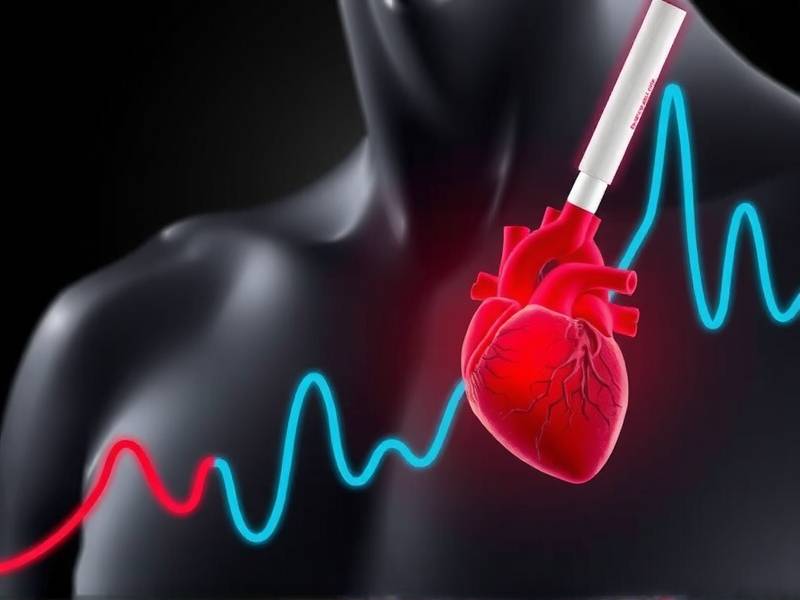
Nicotine is a highly addictive substance found in tobacco. When smoked, it quickly enters the bloodstream, triggering a release of adrenaline, which can cause an increase in heart rate and blood pressure.
Withdrawal Symptoms
When you quit smoking, your body goes through withdrawal as it adjusts to the absence of nicotine. This can lead to various symptoms, including an increased heart rate.

The Role of Adrenaline and Stress
Adrenaline Release
As mentioned earlier, nicotine causes an adrenaline surge. After quitting, when your body no longer receives nicotine, it may still produce adrenaline in response to stress or anxiety. This can lead to an elevated heart rate.
Stress and Anxiety
Quitting smoking can also trigger stress and anxiety due to fear of withdrawal symptoms or concerns about weight gain or other health issues. These emotional factors can contribute to an increased heart rate.
Long-Term Health Benefits of Quitting Smoking
While an increased heart rate may be concerning initially, it's important to remember the long-term health benefits of quitting smoking:
- Reduced Risk of Heart Disease: Smokers are at a higher risk for heart disease compared to non-smokers. Quitting smoking can significantly lower this risk.
- Improved Lung Function: Over time, your lungs will begin to heal from the damage caused by smoking.
- Better Overall Health: Quitting smoking has been linked to improvements in overall health, including reduced risk of stroke and certain types of cancer.
Coping with Increased Heart Rate
If you experience an increased heart rate after quitting smoking, here are some tips for managing this symptom:
- Stay Hydrated: Drinking plenty of water can help regulate your body's functions.
- Exercise Regularly: Regular physical activity can help reduce stress and anxiety levels.
- Practice Relaxation Techniques: Activities such as deep breathing or meditation may help manage stress and anxiety.
- Seek Support: Joining a support group or speaking with a healthcare professional can provide additional guidance and encouragement.
Conclusion: Embracing the Journey
Quitting smoking is a journey that requires patience and perseverance. While experiencing an increased heart rate after quitting may be unsettling at first, understanding the science behind this effect can help you navigate this phase more comfortably. Remember that every step you take towards quitting is a step towards better health.