
How Long Until My Lungs Feel Better After Quitting Smoking?
The Journey to Healthier Lungs: How Long Until Improvement After Quitting Smoking?
Introduction: Quitting smoking is a significant step towards a healthier life. Many smokers are eager to know how long it takes for their lungs to start feeling better after they kick the habit. In this article, we will explore the timeline for lung recovery and the factors that influence it.
I. Understanding Lung Recovery
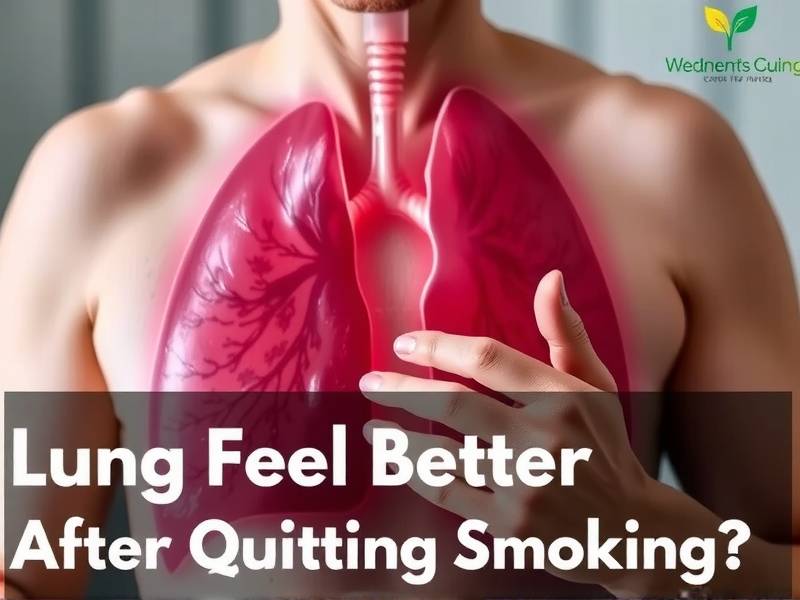
A. The Impact of Smoking on Lungs Smoking damages the lungs by causing inflammation, narrowing of airways, and reducing oxygen supply. It can lead to chronic respiratory diseases like COPD (Chronic Obstructive Pulmonary Disease) and lung cancer.
B. The Process of Lung Recovery When you quit smoking, your lungs begin to heal immediately. The process involves repairing damaged cells, clearing out tar and mucus, and improving lung function.
II. Timeline for Lung Improvement
A. Immediate Benefits Within hours of quitting smoking, your blood pressure and heart rate start to normalize, and carbon monoxide levels in your blood decrease.
B. Short-Term Improvements (1-3 Months) After about 1-3 months of quitting smoking, you may notice an improvement in coughing and shortness of breath. Your lungs will continue to clear out tar and mucus.
C. Medium-Term Improvements (1-5 Years) Within 1-5 years after quitting smoking, your risk of heart disease decreases by half compared to a continuing smoker. Your lung function may also improve by as much as 10%.
D. Long-Term Improvements (10+ Years) After 10 or more years without smoking, your risk of dying from lung cancer is about half that of a continuing smoker's risk.
III. Factors Influencing Lung Recovery
A. Age and Overall Health Younger individuals tend to recover faster than older adults due to their better overall health.
B. Duration of Smoking The longer you have smoked, the longer it may take for your lungs to recover fully.
C. Amount Smoked Daily Heavy smokers may experience more significant improvements in lung function compared to light smokers.
IV. Maintaining a Healthy Lifestyle
A. Exercise Regularly Regular physical activity can help improve lung function and overall health after quitting smoking.
B. Eat a Balanced Diet A healthy diet rich in fruits, vegetables, whole grains, lean proteins, and healthy fats can support lung recovery.
V. Seek Support
A. Join Support Groups Quitting smoking can be challenging; joining support groups can provide motivation and guidance throughout your journey.
B. Consult Healthcare Professionals Your doctor can offer personalized advice on managing symptoms related to quitting smoking and monitoring your lung health.
Conclusion: The journey towards healthier lungs after quitting smoking varies for each individual but generally takes time and dedication. By understanding the timeline for improvement and adopting a healthy lifestyle, you can accelerate the healing process and reduce your risk of developing chronic respiratory diseases or lung cancer in the future.