
Why Is My Asthma Worse Now That I Quit Smoking? The Surprising Reasons You May Not Know
Why Is My Asthma Worse Now That I Quit Smoking? Unveiling the Surprising Reasons
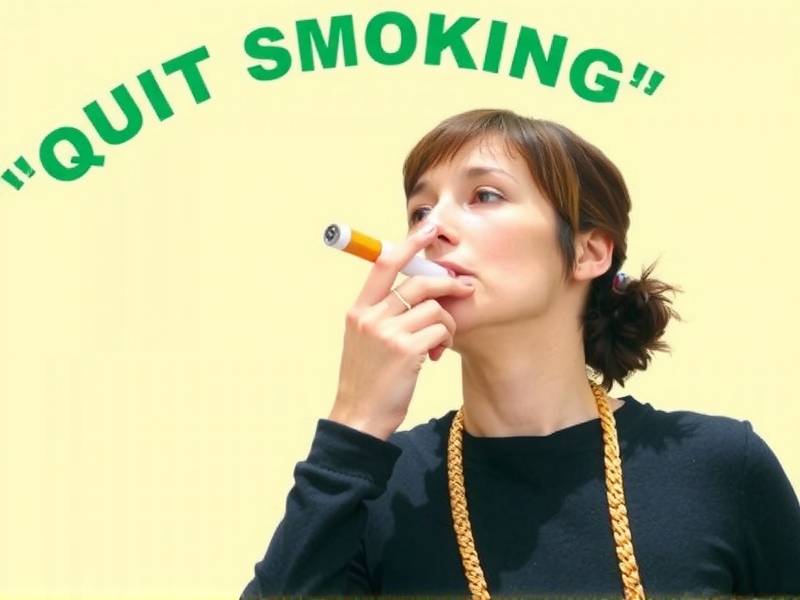
Introduction: Quitting smoking is often seen as a positive step towards better health, but some individuals may experience a worsening of their asthma symptoms after quitting. This article aims to explore the surprising reasons behind this phenomenon, providing valuable insights for those who have quit smoking and are experiencing asthma exacerbation.
I. The Link Between Smoking and Asthma Asthma is a chronic respiratory condition characterized by inflammation and narrowing of the airways. While smoking is a well-known trigger for asthma attacks, it can also exacerbate existing symptoms. When you quit smoking, your body starts to heal, but this healing process can sometimes lead to temporary worsening of asthma symptoms.

II. Post-Quitting Asthma Flare-Ups: A Temporary Phenomenon
- Withdrawal Symptoms: Quitting smoking can trigger withdrawal symptoms such as irritability, anxiety, and restlessness. These symptoms can indirectly worsen asthma symptoms by causing increased stress levels.
- Increased Airway Sensitivity: When you quit smoking, your airways may become more sensitive to allergens and irritants, leading to increased asthma symptoms.
- Changes in Lung Function: Quitting smoking allows your lungs to begin healing from the damage caused by tobacco smoke. However, this healing process can also cause temporary inflammation and narrowing of the airways, resulting in worsened asthma symptoms.
III. Strategies for Managing Post-Quitting Asthma Flare-Ups
- Consult Your Healthcare Provider: If you experience worsening asthma symptoms after quitting smoking, it's essential to consult your healthcare provider for personalized advice and treatment options.
- Review Your Medication Regimen: Ensure that your asthma medication is appropriately adjusted for your current needs.
- Identify Triggers and Avoid Them: Pay attention to any allergens or irritants that may be exacerbating your asthma symptoms and take steps to avoid them.
- Practice Good Lung Hygiene: Engage in deep breathing exercises and consider using a humidifier or steam inhalation to help open up your airways.
Conclusion: While quitting smoking is generally beneficial for individuals with asthma, it's important to be aware of the potential for temporary worsening of asthma symptoms during the initial stages of quitting. By understanding these reasons and taking appropriate measures, you can effectively manage post-quitting asthma flare-ups and continue on your journey towards better health.
Note: This article provides general information about post-quitting asthma flare-ups and does not replace professional medical advice or treatment recommendations from healthcare providers. Always consult with a healthcare professional for personalized guidance regarding your specific health concerns.